A Place for Zero
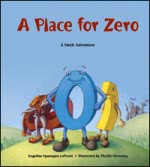
Grade 1
4 skill lessons
Math
Skill lessons
The mathematics the book carries, taught directly. Printable workbook pages and teacher keys are not available for this book yet.
- 1Nine Ones, One More, and a Zero to Hold the Place
- 2The Number That Adds Nothing
- 3Where the Zero Stands
- 4Seven Plates With Nothing On Them
Math + reading
Math through the reading
The same book, entered through a sentence it prints. Change one word in the reading and the numbers change with it.
No math-through-reading lessons for this book yet.
Reading
Reading and language lessons
The same book read as a text. What a word means in its sentence, how a character is shown, how the writing is put together - no mathematics.
No reading and language lessons for this book yet.
Skill lessons
4 lessons on the mathematics the book carries. Printable workbook pages and teacher keys are not available for this book yet.
1. Nine Ones, One More, and a Zero to Hold the Place
The king says there is no digit for one plus nine, and Zero answers him by moving house. The book walks the whole of it in four consecutive sentences: nine ones stand together, one more joins, the ten move over to the next place, and a zero takes the column they left. Students do the same with craft sticks on a two-column mat, counting nine in one at a time, adding the tenth, banding all ten and carrying the bundle across. The zero card is not decoration on the empty column; it is what lets the 1 beside it report ten sticks instead of one, and the second build, done from nine again with the hands talking, is where that stops being a rule and becomes a move.
Full lesson — 20 minutes
1. Stand nine ones in the ones column (5 min)
Count nine sticks into the ones column of your mat, one at a time, saying the number as each one lands. Leave the tens column empty. Say how many sticks are on the mat, then say what number would come next if one more arrived.
Word preview: ones
Zero asked nine ones to stand together.
As everyone knows, anything bigger than nine is many.
2. Add one more and band them (5 min)
Put one more stick in the ones column and count again. There are now more sticks than any single digit can say. Slide all ten together, put a band round them, and carry the bundle across to the tens column. The ones column is empty now; leave it empty and do not tidy it.
Word preview: bundle
Sire, if we added one more to this group, we could use a zero to show that all those ones have moved over to the next place.
3. Put a zero where the ones used to stand (5 min)
An empty column cannot be left blank. Lay the zero card in the ones column and the 1 in the tens column, and read the two cards left to right. Say what the 1 is worth now that it sits over a bundle, and say what the zero is counting.
Word preview: tens, place
When I stand in this place next to my friend one as zero, I can represent zero ones.
But he now represents nine plus one.
4. Undo it and build it again (5 min)
Take the band off, spill the ten sticks back into the ones column, and clear both cards away. Now build it again from nine with nobody telling you the order, and say each move out loud while your hands make it: nine, one more, band, carry, zero.
Hooray for ten.
Short version — 9 minutes
1. Add one more and band them (5 min)
Count nine sticks into the ones column and add one more. Slide all ten together, band them, and carry the bundle to the tens column. Leave the ones column empty.
Sire, if we added one more to this group, we could use a zero to show that all those ones have moved over to the next place.
2. Put a zero where the ones used to stand (4 min)
Lay the zero card in the empty ones column and the 1 in the tens column. Read the two cards left to right and say what each one is counting.
When I stand in this place next to my friend one as zero, I can represent zero ones.
Three levels
- Support
- Rule a ten-frame under the ones column so the tenth stick has a visible last box waiting for it. Count to nine, see the one empty box, fill it, band the ten and carry it across. The child lays the zero card down and the teacher lays the 1, so the whole of the child's attention is on the column that emptied.
- At Grade
- Build it from nine, band, carry and card it, then take it all apart and build it again with nobody naming the order, saying each move aloud as the hands make it.
- Extension
- Start from nineteen instead of nine: one bundle in the tens column and nine loose sticks in the ones. Add one more, band the second ten, and say what card now goes in each column. Then say what would have to happen before a third bundle could arrive.
English learners
Place is the word doing the work, and the book uses it two ways within a page, once for belonging and once for a spot on the mat that decides what a digit is worth. A child who knows only the first sense hears the last pages as a happy ending and misses the arithmetic. Point at the column every single time you say place, and never say it about a person during this lesson. Bundle is new in any language and is best met as something the hands do before it is a word. The frame to rehearse is: ten ones make one ten, so a zero goes here. Children may count the sticks in their strongest language; it is the same count and the mat shows it.
Materials
- Craft sticks, twenty-five per pair
- Place mat, a sheet ruled into two columns headed tens and ones
- Paper bands or elastic bands, three per pair
- Digit cards nought to nine, one set per pair
- Word cards: ones, tens, place, bundle
Standards & curriculum
These lessons are being matched against curricula now.
Standards are held back while this plan is edited. Every standard shown here was matched against the supplied wording of this lesson, quoting its steps, so a changed step is no longer the thing that was checked. Undo your changes to bring the standards back — your edits stay in this browser either way.
2. The Number That Adds Nothing
Count Infinity cannot make a single one, because his machine adds and will not run on one number alone. Zero climbs in beside the one, and a one comes out. The book states the result twice, once as a name and once as a claim about every number there is, and it is small enough that a class can test the claim itself. Students build a number in cubes, send it into a shoebox with a zero card riding along, and count what lands, keeping every answer beside the number that went in. Adding zero is not a trick the box performs; it is the one addition that gives the count back untouched, and the matching rows down the strip are what show it.
Full lesson — 20 minutes
1. Send in one and nothing (5 min)
Put one cube in the tube of your number-rater and send the zero card in after it. Tip the box and count what comes out onto the first pair of boxes on your strip. Say the number aloud. That is exactly what the count found when Zero climbed in beside the one.
Word preview: add
You have to put in at least two numbers.
Sitting next to him were the old one and a shiny new one.
2. Try it on five (5 min)
Count five cubes into your palm, one at a time, and say five. Drop them in with the zero card, tip, and count what lands. Say the number again. Tell your partner whether the box changed anything at all, and lay the answer beside the five on your strip so the two rows sit level.
Word preview: same
We have discovered your additive identity.
3. Try every number to nine (5 min)
Take turns. One of you names a number from one to nine, the other builds it, sends it in with the zero card, and counts what comes out. Keep each answer level with the number that went in, all the way down the strip. Stop after nine and look down both rows.
4. Say the rule without a number (5 min)
Every pair on your strip matches. Say one sentence to your partner that tells the whole rule and does not name any one number. Then try to break it: build the biggest number your cubes will make, send it in with the zero card, and see whether your sentence still holds.
I bet my binomials that if we add you to any number, we will always come up with the same number.
Short version — 9 minutes
1. Send in one and nothing (5 min)
Put one cube in the tube and send the zero card in after it. Tip the box and count what comes out. Say the number aloud.
Sitting next to him were the old one and a shiny new one.
2. Try it on five (4 min)
Count five cubes, drop them in with the zero card, tip, and count what lands. Say whether the box changed anything.
We have discovered your additive identity.
Three levels
- Support
- Work with one, two and three cubes only, and lay the cubes that go in down the left of the strip and the cubes that come out down the right, so the two rows sit side by side and neither has to be counted twice. The zero card still rides in every time; only the size of the number comes down.
- At Grade
- Run one through nine in whatever order your partner names, keeping each answer level with its starting number down the strip, and close by saying the rule in one sentence with no number in it.
- Extension
- Send in two numbers and the zero card together, three cubes and four cubes, and say what will land before you tip the box. Then send in the zero card with no cubes at all, say what the box gives back, and tell your partner why that answer is a different kind of answer from the others.
English learners
Add carries over from most languages as a verb about putting things together, and children will do the action correctly before they can name it. Zero and nothing are two English words doing one job here and the book uses both within a page; a child who hears them as the same word will expect the box to give back an empty strip. Say zero when a card goes in and nothing when no cubes go in, and keep the two apart all lesson. The frame to rehearse is: I put in ___ and zero, and ___ came out. Children may count the cubes in their strongest language and say only the two numbers in English; the strip records the pair either way.
Materials
- Number-rater box, a shoebox with a paper tube taped over a hole in the lid and a spout cut in one end, one per pair
- Counting cubes, twenty per pair
- Zero card, a round card with a nought drawn on it, one per pair
- Paper strip ruled into ten pairs of boxes, one per child
- Word cards: add, zero, same
Standards & curriculum
These lessons are being matched against curricula now.
Standards are held back while this plan is edited. Every standard shown here was matched against the supplied wording of this lesson, quoting its steps, so a changed step is no longer the thing that was checked. Undo your changes to bring the standards back — your edits stay in this browser either way.
3. Where the Zero Stands
Once ten exists, the book hands every digit a turn beside the zero and prints what they make: twenty, thirty, sixty, ninety, and then a line of numbers with something other than nought in the ones. Students build those four on a two-column mat with banded tens, changing only the bundles and the tens card and never the zero, then lift the zero card off and read what the mat suddenly claims while not one stick has moved. That gap between what is on the desk and what the cards say is the whole of the idea. The lesson closes on the book's own oddest line, two zeros side by side, built exactly as written so the class can say what it holds.
Full lesson — 20 minutes
1. Give each digit a turn (5 min)
Put two banded tens in the tens column and nothing loose in the ones. Lay the 2 and the zero card underneath and read it aloud. Now build thirty, then sixty, then ninety, changing only the bundles and the tens card. The zero card never moves.
Word preview: digit
Zero gave each digit a turn and soon they were making wonderful new numbers like 20, 30, 60 and 90.
2. Say what the zero is holding (5 min)
Go back to twenty. Say how many tens and how many ones. Now slide the zero card off the mat without touching a single stick, and read what the cards say. Count the sticks that are still lying there. Say both numbers, the one on the desk and the one the cards claim.
Word preview: ones
Before long they were standing next to each other in different combinations to make all kinds of new numbers.
3. Put something in the ones place (5 min)
Build the book's 32: three bundles in the tens column and two loose sticks in the ones. Take the zero card out and put a 2 in its place. Read the mat. Say what changed on the desk and what changed in the number, and whether they changed by the same amount.
Word preview: tens
32, 47, 89 and on and on.
4. Two zeros standing together (5 min)
Clear every stick off the mat. Put a zero card in the tens column and a zero card in the ones column and read it. Say how many sticks that is. Now put one bundle back and swap the tens card for a 1. Say what the 1 did that the zero could not.
Two zero standing next to each other still equal nothing.
Short version — 9 minutes
1. Give each digit a turn (5 min)
Put two banded tens in the tens column and nothing loose. Lay the 2 and the zero card underneath and read it. Then build thirty and ninety the same way.
Zero gave each digit a turn and soon they were making wonderful new numbers like 20, 30, 60 and 90.
2. Say what the zero is holding (4 min)
Go back to twenty and slide the zero card off without touching a stick. Read what the cards say, count the sticks still there, and say both numbers.
Before long they were standing next to each other in different combinations to make all kinds of new numbers.
Three levels
- Support
- Build twenty and thirty only, and paste a picture of a bundle at the head of the tens column and a picture of one stick at the head of the ones, so the child can point at the heading before saying the number. The bundles come already banded, so the child places rather than counts them.
- At Grade
- Build all four of the book's numbers and then 32, reading each one from the cards before saying how many sticks are on the mat.
- Extension
- Build 32, then build 23 beside it out of the same five parts rearranged, and say which is bigger and which column decided it. Then say what one card would have to become to turn your 23 into 20, and what would have to happen to the sticks.
English learners
Tens and ones sound like plurals of counting words a child already has, which is exactly the trap: here they name columns, not amounts, and a child can say three tens correctly while pointing at three sticks. Always name the column and then the count, in that order, and touch the heading as you say it. Digit and number are used differently in this lesson and the difference matters, because a digit is a card and a number is what the whole mat says. The frame to rehearse is: ___ tens and ___ ones make ___. Children may read the mat in their strongest language first and then in English; the cards do not change between the two readings.
Materials
- Pre-banded tens, nine per pair, banded before the lesson
- Place mat, a sheet ruled into two columns headed tens and ones
- Digit cards nought to nine, one set per pair
- Loose craft sticks, ten per pair
- Word cards: tens, ones, digit
Standards & curriculum
These lessons are being matched against curricula now.
Standards are held back while this plan is edited. Every standard shown here was matched against the supplied wording of this lesson, quoting its steps, so a changed step is no longer the thing that was checked. Undo your changes to bring the standards back — your edits stay in this browser either way.
4. Seven Plates With Nothing On Them
The king tries Zero against a one and then against a seven and announces a claim about every number in the kingdom. Students test it with plates and a pot of counters, which stays full and in plain sight the whole time so that empty means chosen rather than missing. One plate with none on it, then seven plates with none on any, then the same seven with one counter each: three counts, and the third is what stops the first two being a trick of the plates. The work students do is counting and predicting, not multiplying, and the claim is theirs to accept or refuse once they have said what their own number of plates will give before they lay it out.
Full lesson — 20 minutes
1. Make one group with nothing in it (5 min)
Put one plate on the desk and put no counters on it. The pot stays full and stays where you can see it. Count everything on the plates and say the total out loud. Do not write it; say it.
Word preview: group
Together, Zero and the one jumped into the factor end of the tube.
It's another Zero.
2. Make seven groups with nothing in them (5 min)
Lay out seven plates and put no counters on any of them. Touch each plate in turn and say zero as you touch it, all seven times. Then sweep your hand across all seven and say how many counters are on the desk altogether.
Word preview: each, altogether
This time we will multiply Zero with a seven.
3. Now put one on each (5 min)
Take one counter from the pot for each plate and put it down, then count altogether again and say the new total. Say what you changed and what it did to the total. The plates did not change; say what did.
4. Say whether the king was right (5 min)
Clear the counters back to the pot so every plate is empty again. Ask your partner for a number of plates, lay out that many, and say the total before you count it. Then say in one sentence whether the king's claim held for your number, and how you know.
No matter what number we multiply you with, we get zero.
Short version — 9 minutes
1. Make seven groups with nothing in them (5 min)
Lay out seven plates with no counters on any of them. Touch each one and say zero, then sweep your hand across them all and say how many counters there are altogether.
This time we will multiply Zero with a seven.
2. Say whether the king was right (4 min)
Ask your partner for a number of plates and lay out that many, all empty. Say the total before you count it, then say whether the king's claim held.
No matter what number we multiply you with, we get zero.
Three levels
- Support
- Work with three plates rather than seven, and count the counters in the pot aloud first so the child has seen that there were counters to be had and that the plates are empty on purpose. Touch each plate and say zero, then say the total, and stop there.
- At Grade
- Run one plate, then seven, then seven with one counter each, then a number your partner names, saying each total aloud before you count it.
- Extension
- Ask your partner for a number of plates too big to lay out, twenty or thirty, and say the total without touching a plate. Then say what would have to be true of even one of those plates for your answer to be wrong.
English learners
Two phrases carry the whole task and neither is obvious: each plate means every plate, one at a time, and altogether means the whole desk at once. A child who hears them as the same phrase will answer the wrong question at the last step. Touch a single plate for each and sweep a hand across all of them for altogether, and use the same two gestures every time. Zero here names an amount sitting on a plate, not a plate that is missing, so keep the plates visibly there and visibly empty. The frame to rehearse is: each plate has zero, so altogether there is zero. A child may say the counts in their strongest language and only the total in English.
Materials
- Paper plates, ten per pair
- Counters, twenty per pair, kept in a pot on the desk
- Word cards: group, each, altogether
Standards & curriculum
These lessons are being matched against curricula now.
Standards are held back while this plan is edited. Every standard shown here was matched against the supplied wording of this lesson, quoting its steps, so a changed step is no longer the thing that was checked. Undo your changes to bring the standards back — your edits stay in this browser either way.