Underwater Counting Even Numbers
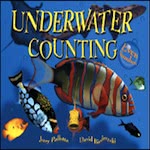
Grade 1
3 skill lessons · 1 math-through-reading
Math
Skill lessons
The mathematics the book carries, taught directly. Printable workbook pages and teacher keys are not available for this book yet.
- 1The Digit at the End Decides
- 2Sixteen, Counted Two at a Time
- 3Reading the Numbers the Book Prints
Math + reading
Math through the reading
The same book, entered through a sentence it prints. Change one word in the reading and the numbers change with it.
- 4Even, Odd, and the Digit That Decides
Reading
Reading and language lessons
The same book read as a text. What a word means in its sentence, how a character is shown, how the writing is put together - no mathematics.
- 5Ask it, then find it on the page
- 6Three names, three reasons
- 7One word, two meanings
- 8Teeth like a beak
- 9Look first, then find out why
Skill lessons
3 lessons on the mathematics the book carries. Printable workbook pages and teacher keys are not available for this book yet.
1. The Digit at the End Decides
The book prints its rule for evenness in one place and states it as a rule about the LAST DIGIT: numbers ending 1, 3, 5, 7, 9 are odd and numbers ending 0, 2, 4, 6, 8 are even. Students sort ten digit cards by that rule, then apply it to two-digit numerals the book actually prints, covering all but the final digit so the decision rests where the book puts it. The rule is a test a child can run on any numeral, not a fact about the five numbers they happened to see. Nothing in this lesson pairs objects or splits a group in two; the book never does that, so neither does the lesson.
Full lesson — 20 minutes
1. Sort the ending digits (5 min)
Each pair lays out ten digit cards, 0 through 9, along the top of the mat. Listen to the book's rule and slide every card it calls odd to the left side and every card it calls even to the right side. Say the two lists back with a finger on each card as you name it.
Word preview: odd, even, ending
While counting, please remember that whole numbers ending in 1, 3, 5, 7 and 9 are odd numbers.
Even numbers end in 0, 2, 4, 6 and 8.
2. Test a two-digit numeral (6 min)
Take a numeral card from the book's count, cover everything except its last digit with your thumb, and find that digit on the sorting mat. Say whether the numeral is even or odd and name the ending digit that decided it. Do this for 26, 34 and 48, then for 1 and for 0.
Word preview: digit, numeral
Do these 26 whale lice gross you out?
While you're counting the 34 domino damsel fish, you'll notice that none of them have eyelids.
Here are 48 fire goblies.
3. Say the rule that decided it (5 min)
Partners take turns holding up a numeral card and saying one sentence: the numeral, the digit it ends in, and whether it is even or odd. The listening partner covers all but the last digit to check, and says agree or disagree before the next card. Every child says at least three of these sentences aloud.
Word preview: ends in
4. Place the odd one out (4 min)
The teacher deals four numeral cards, three even and one odd, face up. Point to the one the book's rule sends to the left side and say which digit gave it away. Put the three even cards in counting order along the mat and read them aloud.
Word preview: odd
These four clown trigger fish are odd looking.
Short version — 9 minutes
1. Sort the ending digits (5 min)
Each pair lays out ten digit cards, 0 through 9. Listen to the book's rule and slide the odd cards left and the even cards right. Say both lists back with a finger on each card.
Word preview: odd, even
Even numbers end in 0, 2, 4, 6 and 8.
2. Test a two-digit numeral (4 min)
Cover all but the last digit of a numeral card with your thumb and find that digit on the mat. Say whether the numeral is even or odd and name the digit that decided it. Do 26, then 34, then 1.
Word preview: digit
Do these 26 whale lice gross you out?
Three levels
- Support
- Stay with single digits and never uncover a second one. Give the child the ten digit cards only, and ask for the two lists in the book's own order so the sorting mat is a copy of the sentence rather than a recall task. Add the numeral cards only when both lists come back without the mat.
- At Grade
- Sort the ten digits, then run the rule on 0, 1, 26, 34 and 48 with the thumb-cover, saying the ending digit and the verdict in one sentence each time.
- Extension
- Give the child a numeral the book never prints, 63 and then 70, and ask for the verdict and the digit that gave it. Then ask what the rule says about 100, and require the answer to name the ending digit rather than the size of the number.
English learners
Even and odd are the whole lesson and neither word carries its everyday English meaning here: odd also means strange, and the book leans on that joke when it calls the clown trigger fish odd looking. Say the mathematical sense first and keep the joke separate, or a child will sort by how unusual a numeral looks. The rehearsable frame is one sentence, said the same way every time: twenty-six ends in six, so twenty-six is even. Digit names transfer from a child's first language as quantities, but the phrase ends in is positional English and needs the thumb-cover to make it visible. Invite children to decide in their strongest language and report the verdict in English with the frame.
Materials
- Ten digit cards 0 to 9 for each pair
- A two-column sorting mat labelled odd and even
- Numeral cards showing 0, 1, 26, 34 and 48
- Word cards: even, odd, digit
Standards & curriculum
Choose your curriculum above to see the standards for this lesson.
Standards are held back while this plan is edited. Every standard shown here was matched against the supplied wording of this lesson, quoting its steps, so a changed step is no longer the thing that was checked. Undo your changes to bring the standards back — your edits stay in this browser either way.
2. Sixteen, Counted Two at a Time
Every page of this book states a count as a numeral and names what is being counted, so a child has a number to build to and a thing to build. Students make the set with counters, push it into twos, and count the groups by twos until they land exactly on the printed number. The by-twos count has to arrive on the book's number without a remainder and without recounting by ones. The book itself never groups anything into twos, so the grouping is the lesson's move and not the book's, and the last step makes each child say the count they made rather than the count they heard.
Full lesson — 20 minutes
1. Build the school the book names (6 min)
Each pair counts out counters to match the number the book prints for one page, pushing them into a line on the mat as they count. Start with the 16 parrotfish, then clear the mat and build the 20 trumpet fish. Say the number you built at the end of each build.
Word preview: count, school
Here are 16 parrotfish.
Count the 20 trumpet fish.
2. Push them into twos (6 min)
Slide the counters into groups of two, leaving a gap between each group. Count the groups aloud by twos, touching one group per number word, and stop on the number the book printed. The rule is one touch, one number, and nothing left over.
Word preview: twos, group
Count the 20 trumpet fish.
3. Read the book's own jump (4 min)
Listen for how the book moves from one page to the next and put a counter on the counting strip for each number it says. Follow the strip from 46 to 48 to 50 and say the two numbers the book skipped. Point to where 47 and 49 sit and say why the book stepped over them.
Word preview: skip
Here are 48 fire goblies.
On to 50!
4. Say the count you made (4 min)
Each child tells a partner what they built and how they counted it, in one sentence naming the number of groups and the number of counters. The partner rebuilds it from the sentence alone, without looking at the first mat, and the two mats are set side by side to check.
Word preview: groups
Short version — 9 minutes
1. Build the school the book names (5 min)
Each pair counts out counters to match the number the book prints, pushing them into a line as they count. Build the 16 parrotfish and say the number you built.
Word preview: count
Here are 16 parrotfish.
2. Push them into twos (4 min)
Slide the counters into groups of two with a gap between each group. Count the groups aloud by twos, touching one group per number word, and stop on the number the book printed.
Word preview: twos
Three levels
- Support
- Stay with the 16 parrotfish and count only that one set for the whole lesson. Give the child a mat with sixteen printed spaces so the line is built into the paper, and let the by-ones count stand before asking for the by-twos count over the same counters.
- At Grade
- Build 16 and then 20, push each into twos, and count the groups by twos onto the printed number both times.
- Extension
- Build 20 and then ask the child to say, before touching anything, how many groups of two the 22 Achilles Tangs would make and to check it by building. Then ask what happens to the last group if one counter is taken away, and require the answer to name the leftover.
English learners
The number words to fifty are the heaviest load in this lesson and they are the part that does not transfer: a child may count fluently to fifty in their first language and still stall at the English words for the teens and the tens. Let the counting strip carry the numerals so the child can point when the word is slow, and accept a pointed answer while the word is still coming. The rehearsable frame for the last step is fixed: I made sixteen counters and eight groups of two. Touch-and-say pairing is the same act in any language, so the by-twos count itself is the safest place for a new English speaker to be fluent. Invite children to count in their strongest language first and then say the frame in English.
Materials
- Fifty two-colour counters for each pair
- A long counting mat marked with a row of empty spaces
- A counting strip printed 0 to 50
- Word cards: count, twos, groups
Standards & curriculum
Choose your curriculum above to see the standards for this lesson.
Standards are held back while this plan is edited. Every standard shown here was matched against the supplied wording of this lesson, quoting its steps, so a changed step is no longer the thing that was checked. Undo your changes to bring the standards back — your edits stay in this browser either way.
3. Reading the Numbers the Book Prints
This book states almost every count as a digit rather than a word, so its numerals are the representation a child must read to follow it at all. Students match a heard count to its numeral card, lay the whole set in the book's order to fifty, and read the line aloud. The numeral and the spoken number word are treated as two forms of one number, with the counting strip available whenever the word is slower than the pointing. The two cards at the front, 0 and 1, are the ones that break the pattern, and finding them is how students notice the book changed how it was counting.
Full lesson — 20 minutes
1. Match the numeral to its page (5 min)
The teacher reads a page aloud without saying its number. Find the numeral card that matches the count in what you heard and hold it up. Say the numeral aloud as a number word, not as two separate digits.
Word preview: numeral
These 10 Harlequin Tossfish have bright blue teeth.
Notice the bright spots below the eyes of these 12 flashlight fish.
These 18 weird looking fish have multiple names.
2. Lay the count in order (6 min)
Working as a pair, put your numeral cards in the order the book uses, lowest first, in one long line down the table. Read the finished line aloud from the start. When you reach a card whose place you are unsure of, hold it against the counting strip and say the number that comes before it.
Word preview: order, before, after
Here are 2 coral boobers.
We end this book with 50 fishing bats.
3. Find the two that break the pattern (5 min)
Look at the front of your finished line. Two cards there do not fit the two-at-a-time pattern the rest of the line follows. Pull those two out, say each one aloud, and tell your partner what the book was doing on those two pages.
Word preview: pattern
There are zero fish swimming on this page.
Here is one green moray eel.
Maybe it's too easy to count by ones.
4. Read a numeral you have not seen (4 min)
The teacher holds up a numeral from the middle of the line with the rest of the line hidden. Read it aloud as one number word. Then say which numeral the book puts just after it, and check by uncovering the line.
Word preview: after
Short version — 9 minutes
1. Match the numeral to its page (4 min)
The teacher reads a page aloud without saying its number. Hold up the numeral card that matches the count you heard and say it as a number word.
Word preview: numeral
These 10 Harlequin Tossfish have bright blue teeth.
2. Lay the count in order (5 min)
Put your numeral cards in the order the book uses, lowest first, in one line. Read the finished line aloud from the start, using the counting strip to settle any card you are unsure of.
Word preview: order
We end this book with 50 fishing bats.
Three levels
- Support
- Work with the numerals to twenty only and keep the counting strip under the line the whole time, so ordering is matching rather than recall. Ask for the number word after the card is placed, never before, and let the child point to the strip and say the word after you.
- At Grade
- Match heard counts to numeral cards, order the full set to fifty against the strip, and read the finished line aloud.
- Extension
- Cover the strip and ask the child to place four shuffled cards from the high end of the line, 42, 46, 34 and 38, saying before each placement which card it goes after. Then ask which numeral would come next if the book had gone on past 50.
English learners
Two-digit number words in English are irregular in exactly the range this lesson covers: the teens do not say their tens first and thirteen through nineteen invert what a child expects from twenty-one onwards. That inversion is a language fact, not a number fact, and a child who orders the cards correctly while saying the wrong word has done the mathematics. Accept a correct placement with a slow or absent word and keep the strip visible so pointing is always available. The rehearsable frame is short and positional: thirty-four comes after thirty-two. Invite children to say the number words in their strongest language while placing, then read the finished line in English once it is ordered.
Materials
- A set of numeral cards for every count the book prints
- A counting strip printed 0 to 50
- Word cards: numeral, order, pattern
Standards & curriculum
Choose your curriculum above to see the standards for this lesson.
Standards are held back while this plan is edited. Every standard shown here was matched against the supplied wording of this lesson, quoting its steps, so a changed step is no longer the thing that was checked. Undo your changes to bring the standards back — your edits stay in this browser either way.
Math through the reading
The mathematics is reached through a sentence the book prints: change one word in the reading and the numbers change with it. These carry their own standards, matched against these lessons rather than inherited from the skill ones.
4. Even, Odd, and the Digit That Decides
Children run the book's own printed rule on numeral cards, then swap the rule's ending digits and sort the same cards again to see which cards move.
Full lesson — 20 minutes
1. Read the rule and sort the ten digits (5 min)
Pairs lay out digit cards 0 to 9 above a two-column mat. As the two rule sentences are read aloud, each pair slides every digit named odd to the left column and every digit named even to the right, then reads both columns back with a finger on each card.
2. Test the book's own numerals (6 min)
Each pair takes numeral cards for counts the book prints - 26, 34, 48 - covers all but the last digit with a thumb, finds that digit on the mat, and says one sentence naming the numeral, its ending digit and the verdict. They then do the same for 1 and for 0.
3. Decide which odd the book means (4 min)
Children hear two sentences from the book, one carrying the rule and one calling the clown trigger fish odd looking, and hold up the mat for the sentence that sorts a number and a flat hand for the sentence that does not. Each child says in one sentence what the word is doing in the sentence they were given.
4. Swap the rule and re-sort (5 min)
The teacher reads the rule with its two digit lists exchanged. Pairs move only the cards that must now change columns, leave the rest, and say which numerals moved and which stayed. Each pair reports one card that did not move and why the swap did not reach it.
Short version — 9 minutes
1. Read the rule and sort the ten digits (5 min)
Pairs lay out digit cards 0 to 9 above a two-column mat. As the two rule sentences are read aloud, each pair slides every digit named odd to the left column and every digit named even to the right, then reads both columns back with a finger on each card.
2. Test the book's own numerals (6 min)
Each pair takes numeral cards for counts the book prints - 26, 34, 48 - covers all but the last digit with a thumb, finds that digit on the mat, and says one sentence naming the numeral, its ending digit and the verdict. They then do the same for 1 and for 0.
Three levels
- Support
- Give this child the ten digit cards only and never a two-digit numeral. Sort the digits as the rule is read, then re-read the rule one sentence at a time and let the child check the mat against it, so the mat is a copy of the sentence rather than something recalled. Keep the frame to three words - six, even - until the full sentence comes easily.
- At grade
- Sort the ten digits from the read rule, test 0, 1, 26, 34 and 48 with the thumb-cover, say the full frame for each, and move the cards the swapped rule requires.
- Extension
- Give this child 63 and 70, numerals the book never prints, and require the verdict with the ending digit named. Then ask what the swapped rule would do to a numeral ending in 5 that it did not do before, and require an answer that names a card rather than a category.
English learners
The number and the sorting transfer completely - a child who knows digits in any language can run this rule and be right. The word odd carries two unrelated meanings in this book, and the phrase ends in is positional English describing where a digit sits rather than what it is worth; neither comes across from a first language. The thumb-cover makes ends in visible, so use it before the phrase rather than after. The frame is fixed and short so it can be rehearsed before it is understood: twenty-six ends in six, so twenty-six is even. Invite children to decide the verdict in their strongest language and report it in English with the frame; the verdict is the mathematics and the frame is the report.
Materials
- Ten digit cards 0 to 9 for each pair
- A two-column sorting mat labelled odd and even
- Numeral cards showing 0, 1, 26, 34 and 48
- The two rule sentences printed large
- The swapped version of the rule, printed and kept covered until the last segment
Standards & curriculum
Choose your curriculum above to see the standards for this lesson.
Standards are held back while this plan is edited. Every standard shown here was matched against the supplied wording of this lesson, quoting its steps, so a changed step is no longer the thing that was checked. Undo your changes to bring the standards back — your edits stay in this browser either way.
Reading and language lessons
5 lessons on the reading and language the book carries - what a word means in its sentence, how a character is shown, how a text is built. No mathematics: these are matched against the English language arts curricula, which are a different and smaller set than the mathematics ones.
5. Ask it, then find it on the page
This book gives each page a number, a picture and three or four plain sentences of fact, so a first grader can hold a whole page in mind and still hunt inside it. Students ask their own questions aloud and then locate the exact sentence that answers them, or decide honestly that the page does not answer it. The reading work is matching a spoken question to the run of words that settles it.
Full lesson — 20 minutes
1. Hear the parrotfish page and hold one question (5 min)
Listen while your teacher reads this page twice. On the second reading, hold up a finger the moment you hear something you want to ask about. Then say your question out loud, starting with Who, What, Where, or Why.
Word preview: reef
16. Crunch. Crunch. If you go diving on a reef and see bite marks on the coral, they were probably made by a parrotfish. Parrotfish have fused teeth that look like a beak. Their teeth are perfect for crunching on hard coral. Here are 16 parrotfish.
2. Find the answer in the words you heard (5 min)
Your teacher reads the page again, one sentence at a time. When a sentence answers somebody's question, raise your hand and say the sentence back. Point to where the answer sits: at the front of the page, in the middle, or at the end.
Word preview: fused
16. Crunch. Crunch. If you go diving on a reef and see bite marks on the coral, they were probably made by a parrotfish. Parrotfish have fused teeth that look like a beak. Their teeth are perfect for crunching on hard coral. Here are 16 parrotfish.
3. Ask a question the page does not answer (5 min)
Look at this second page and ask one question about it out loud. Then decide together: does this page tell you the answer, or would you have to find out somewhere else? Sort each question onto the answered pile or the ask-somebody-else pile.
Word preview: crustaceans
26. Do these 26 whale lice gross you out? Whale sometimes have lice. These tiny crustaceans hook a ride on the whale and live on its skin.
4. Say a question and its answer as one pair (5 min)
Pick your best question from either page and say it to a partner. Your partner says the sentence from that page that answers it. Then swap. Each pair must be a question you asked and words that were really on the page.
Word preview: question
16. Crunch. Crunch. If you go diving on a reef and see bite marks on the coral, they were probably made by a parrotfish. Parrotfish have fused teeth that look like a beak. Their teeth are perfect for crunching on hard coral. Here are 16 parrotfish.
26. Do these 26 whale lice gross you out? Whale sometimes have lice. These tiny crustaceans hook a ride on the whale and live on its skin.
Short version — 9 minutes
1. Hear the parrotfish page and hold one question (5 min)
Listen while your teacher reads this page twice. On the second reading, say one question out loud that starts with Who, What, Where, or Why.
Word preview: reef
16. Crunch. Crunch. If you go diving on a reef and see bite marks on the coral, they were probably made by a parrotfish. Parrotfish have fused teeth that look like a beak. Their teeth are perfect for crunching on hard coral. Here are 16 parrotfish.
2. Find the answer in the words you heard (4 min)
Your teacher reads the page again one sentence at a time. When a sentence answers your question, raise your hand and say that sentence back.
Word preview: fused
16. Crunch. Crunch. If you go diving on a reef and see bite marks on the coral, they were probably made by a parrotfish. Parrotfish have fused teeth that look like a beak. Their teeth are perfect for crunching on hard coral. Here are 16 parrotfish.
Three levels
- Support
- Stay with the parrotfish page only. Give the child the two question words Who and What and let them choose between those two before speaking. Read the answering sentence with them, slowly, and let them echo it back rather than produce it alone.
- At Grade
- Ask a question in your own words about either page and locate the sentence that answers it. If no sentence answers it, say so and say what you would need to find out instead.
- Extension
- Ask a question the parrotfish page answers only partly — where part of the answer is in one sentence and part in another. Say both sentences in the order that makes the answer complete, and say why one alone was not enough.
English learners
Question words carry the whole job here and transfer unevenly. Rehearse the four openers as spoken frames before reading — Who ___? What ___? Where ___? Why ___? — and let a child point at the picture while asking. A student may ask the question in their strongest language and give the answering sentence in English; the reading work is the locating, not the asking.
Materials
- Printed parrotfish page
- Two labelled piles: Answered here, Ask somebody else
- Both printed pages side by side
- Word cards: reef, fused, crustaceans, question
Standards & curriculum
Choose your curriculum above to see the standards for this lesson.
Standards are held back while this plan is edited. Every standard shown here was matched against the supplied wording of this lesson, quoting its steps, so a changed step is no longer the thing that was checked. Undo your changes to bring the standards back — your edits stay in this browser either way.
6. Three names, three reasons
One page in this book gives a single fish three different names and then supplies the reason behind each one in the very next sentence, and another page attaches a name to the marking that earned it. Students hear the names, pair each with its reason, and then coin a name of their own with a reason attached. The language work is holding a name and its justification together as one idea.
Full lesson — 20 minutes
1. Hear all three names for one fish (5 min)
Listen as your teacher reads this page and hold up one finger for each name the fish is given. You should end with three fingers up. Say the three names back in the order you heard them.
Word preview: multiple
18. These 18 weird looking fish have multiple names. They can be called pineapple fish, pine cone fish, or night fish. They look like a pineapple, feel like a pine cone, and are spiked and armored like a medieval knight.
2. Match each name to the reason for it (5 min)
The page says why each name fits. Read it again and pair each name with the words that explain it: which name goes with looking, which with feeling, and which with the spikes. Say each pair out loud as one sentence.
Word preview: armored
18. These 18 weird looking fish have multiple names. They can be called pineapple fish, pine cone fish, or night fish. They look like a pineapple, feel like a pine cone, and are spiked and armored like a medieval knight.
3. Find the name that hides its reason (5 min)
This page names a fish too, and it tucks the reason for the name right inside a sentence. Find the words that say where the name came from and say them aloud. Then say the whole thing as one sentence of your own: they are called ___ because ___.
Word preview: reputation
28. Sharks have a deadly reputation, but it is mostly undeserved. More people die each year from dog attacks than from shark attacks. These 28 leopard sharks get their name from the pretty spots on their skin.
4. Name a classroom thing the same way (5 min)
Pick something in this room and give it two new names, each one for a different reason: one for how it looks and one for how it feels. Say both names to a partner with the reason attached, the way the pineapple fish page does. Your partner decides whether the reason really fits.
Word preview: because
18. These 18 weird looking fish have multiple names. They can be called pineapple fish, pine cone fish, or night fish. They look like a pineapple, feel like a pine cone, and are spiked and armored like a medieval knight.
Short version — 9 minutes
1. Hear all three names for one fish (5 min)
Listen as your teacher reads this page and hold up one finger for each name the fish is given. Say the three names back in order.
Word preview: multiple
18. These 18 weird looking fish have multiple names. They can be called pineapple fish, pine cone fish, or night fish. They look like a pineapple, feel like a pine cone, and are spiked and armored like a medieval knight.
2. Match each name to the reason for it (4 min)
Read the page again and pair each name with the words that explain it — looking, feeling, spikes. Say one pair out loud as a whole sentence.
Word preview: armored
18. These 18 weird looking fish have multiple names. They can be called pineapple fish, pine cone fish, or night fish. They look like a pineapple, feel like a pine cone, and are spiked and armored like a medieval knight.
Three levels
- Support
- Work with two names instead of three: pineapple fish and pine cone fish. Say the reason for each one aloud with the child and let them repeat the pairing before adding any name of their own.
- At Grade
- Pair all three names with their reasons and say each as a full because sentence. Then coin one name for a classroom object and say the reason that earns it.
- Extension
- Take the third name, night fish, and say what the page does NOT tell you about it. The page gives a reason for looking like a pineapple and feeling like a pine cone but never says why night. Say what you would need to read to find out.
English learners
The because frame is the transferable piece: It is called ___ because ___. Rehearse it aloud before the page is read. Compound animal names built from two everyday nouns — pineapple fish, pine cone fish — are a pattern many languages share, so invite a student to say an animal name from their strongest language that is built the same way and to explain what the two parts mean.
Materials
- Printed pineapple fish page
- Printed leopard shark page
- One classroom object per pair
- Word cards: multiple, armored, reputation, because
Standards & curriculum
Choose your curriculum above to see the standards for this lesson.
Standards are held back while this plan is edited. Every standard shown here was matched against the supplied wording of this lesson, quoting its steps, so a changed step is no longer the thing that was checked. Undo your changes to bring the standards back — your edits stay in this browser either way.
7. One word, two meanings
This book sets up its own joke: it teaches that a group of fish is called a school and then tells the fish to stay in school, using the word twice in one breath with two different meanings. A second page repeats the word three more times. Students name each meaning and, more importantly, say which nearby words told them which meaning was in play.
Full lesson — 20 minutes
1. Hear school used twice on one page (5 min)
Listen while your teacher reads this page. The word school is said twice and it does not mean the same thing both times. Raise your hand at each one and say which sentence it was in.
Word preview: school
22. A group of birds is called a flock. A group of wolves is called a pack. A group of fish is called a school. You 22 Achilles Tangs stay in school.
2. Say what each school means (5 min)
Say out loud what school means the first time on this page and what it means the second time. Use the other sentences to help: the page also names what a group of birds is called and what a group of wolves is called. Give both meanings in your own words.
Word preview: flock
22. A group of birds is called a flock. A group of wolves is called a pack. A group of fish is called a school. You 22 Achilles Tangs stay in school.
3. Decide which meaning a new page needs (5 min)
This page uses school three times. For each one, say whether it means a group of fish or the place children go. Then say the words nearby that helped you decide.
Word preview: species
24. Here's a school of 24 señoritas. When you see a school of fish, the fish in it are always the same size and species. Adult fish don't school with the young and the young don't school with the adults.
4. Build the same trick with a word of your own (5 min)
Pick a word that means two things — like bat, or bark, or ring — and say two short sentences, one for each meaning. Your partner says which meaning each sentence used and points to the words that gave it away.
Word preview: meaning
22. A group of birds is called a flock. A group of wolves is called a pack. A group of fish is called a school. You 22 Achilles Tangs stay in school.
Short version — 9 minutes
1. Hear school used twice on one page (5 min)
Listen while your teacher reads this page. The word school is said twice and does not mean the same thing both times. Raise your hand at each one.
Word preview: school
22. A group of birds is called a flock. A group of wolves is called a pack. A group of fish is called a school. You 22 Achilles Tangs stay in school.
2. Say what each school means (4 min)
Say what school means the first time and what it means the second time, in your own words. Use the flock and pack sentences to help.
Word preview: flock
22. A group of birds is called a flock. A group of wolves is called a pack. A group of fish is called a school. You 22 Achilles Tangs stay in school.
Three levels
- Support
- Work only with the two uses on the Achilles Tangs page. Hold up a fish card for the group meaning and a schoolhouse card for the place meaning, and let the child raise the matching card instead of explaining in words.
- At Grade
- Name both meanings on the Achilles Tangs page and say which words nearby settled each one. Then do the same for the señoritas page.
- Extension
- Say why the Achilles Tangs sentence is funny and not just confusing. Point to the two earlier sentences that had to come first for the joke to work at all, and say what would be lost if the flock and pack sentences were cut.
English learners
A word carrying two unrelated meanings is not universal, and students may reasonably assume they misheard. Say plainly that English does this on purpose and that the book is playing with it. Rehearse the frame: Here school means ___. There school means ___. Invite a student to name a word in their strongest language that carries two meanings and to say both.
Materials
- Printed Achilles Tangs page
- Printed señoritas page
- List of two-meaning words: bat, bark, ring, wave
- Word cards: school, flock, species, meaning
Standards & curriculum
Choose your curriculum above to see the standards for this lesson.
Standards are held back while this plan is edited. Every standard shown here was matched against the supplied wording of this lesson, quoting its steps, so a changed step is no longer the thing that was checked. Undo your changes to bring the standards back — your edits stay in this browser either way.
8. Teeth like a beak
Two pages in this book reach for something the reader already knows in order to describe something they do not: teeth that look like a beak, a fish that looks like a pineapple and feels like a pine cone. Students name both halves of each comparison and then say what the familiar half actually told them. The test they apply is whether the comparison carried information or only decoration.
Full lesson — 20 minutes
1. Catch the comparison as you listen (5 min)
Listen to this page and clap once when you hear the word like. Then say the two things the page put side by side. Say them as a pair: the fish's teeth and a ___.
Word preview: beak
16. Crunch. Crunch. If you go diving on a reef and see bite marks on the coral, they were probably made by a parrotfish. Parrotfish have fused teeth that look like a beak. Their teeth are perfect for crunching on hard coral. Here are 16 parrotfish.
2. Say what the comparison tells you (5 min)
A comparison is only useful if it tells you something. Say what you now know about the parrotfish's teeth that the word beak gave you. Then say whether the page's next sentence agrees with you.
Word preview: perfect
16. Crunch. Crunch. If you go diving on a reef and see bite marks on the coral, they were probably made by a parrotfish. Parrotfish have fused teeth that look like a beak. Their teeth are perfect for crunching on hard coral. Here are 16 parrotfish.
3. Line up three comparisons on one page (5 min)
This page makes three comparisons in a single sentence. Say each one as a pair — the fish and the thing it is compared to — and say whether that comparison is about looking, feeling, or being covered.
Word preview: knight
18. These 18 weird looking fish have multiple names. They can be called pineapple fish, pine cone fish, or night fish. They look like a pineapple, feel like a pine cone, and are spiked and armored like a medieval knight.
4. Make one comparison of your own (5 min)
Choose an animal you know well and finish this frame out loud for a partner: Its ___ looks like a ___. Your partner says what your comparison told them about the animal. If it told them nothing new, try a different comparison.
Word preview: compare
16. Crunch. Crunch. If you go diving on a reef and see bite marks on the coral, they were probably made by a parrotfish. Parrotfish have fused teeth that look like a beak. Their teeth are perfect for crunching on hard coral. Here are 16 parrotfish.
18. These 18 weird looking fish have multiple names. They can be called pineapple fish, pine cone fish, or night fish. They look like a pineapple, feel like a pine cone, and are spiked and armored like a medieval knight.
Short version — 9 minutes
1. Catch the comparison as you listen (4 min)
Listen to this page and clap once when you hear the word like. Then say the two things the page put side by side.
Word preview: beak
16. Crunch. Crunch. If you go diving on a reef and see bite marks on the coral, they were probably made by a parrotfish. Parrotfish have fused teeth that look like a beak. Their teeth are perfect for crunching on hard coral. Here are 16 parrotfish.
2. Line up three comparisons on one page (5 min)
This page makes three comparisons in one sentence. Say each one as a pair and say whether it is about looking, feeling, or being covered.
Word preview: knight
18. These 18 weird looking fish have multiple names. They can be called pineapple fish, pine cone fish, or night fish. They look like a pineapple, feel like a pine cone, and are spiked and armored like a medieval knight.
Three levels
- Support
- Stay with the beak comparison alone. Show a picture of a bird's beak beside the parrotfish page and let the child say one thing the two have in common. One comparison, said aloud, is the whole task.
- At Grade
- Name both halves of each comparison on both pages and say what the familiar half told you about the fish.
- Extension
- Rank the three comparisons on the pineapple fish page from most useful to least useful for someone who has never seen the fish, and say what makes the top one better than the bottom one.
English learners
Comparison with like is grammatically simple and transfers well, but the familiar half may not be familiar: a pine cone, a medieval knight and a beak all assume a picture in the head. Show or name each one before reading. The frame to rehearse is ___ looks like ___, and a student may supply a comparison from their own surroundings instead of the book's.
Materials
- Printed parrotfish page
- Printed pineapple fish page
- Both printed comparison pages
- Word cards: beak, perfect, knight, compare
Standards & curriculum
Choose your curriculum above to see the standards for this lesson.
Standards are held back while this plan is edited. Every standard shown here was matched against the supplied wording of this lesson, quoting its steps, so a changed step is no longer the thing that was checked. Undo your changes to bring the standards back — your edits stay in this browser either way.
9. Look first, then find out why
Every page in this book is built to the same short plan: point the reader at the picture, then hand over the fact that explains what they are looking at, and sometimes close with a joke. Students name each move on one page, say what the order does for a reader, and then check whether a second page was built the same way. No page needs to be counted for this work; the reading is in the sequence of moves.
Full lesson — 20 minutes
1. Find the sentence that tells you what to do (5 min)
This page opens by telling you to do something before it tells you anything else. Find that sentence and say it aloud. Then do what it says with the picture in front of you.
Word preview: notice
12. Notice the bright spots below the eyes of these 12 flashlight fish. The light actually comes from glow in the dark bacteria that live on the fish. Batteries not included.
2. Say where the surprising fact sits (5 min)
The page tells you something surprising about where the light comes from. Say that sentence aloud. Then say whether it came before or after the sentence that told you to look, and why that order helps a reader.
Word preview: bacteria
12. Notice the bright spots below the eyes of these 12 flashlight fish. The light actually comes from glow in the dark bacteria that live on the fish. Batteries not included.
3. Find the joke at the end and say who it is for (5 min)
This page ends with three words that are not a fact at all. Say them aloud. Then say what the writer is joking about, and say which earlier sentence you have to have read for the joke to make sense.
Word preview: joke
12. Notice the bright spots below the eyes of these 12 flashlight fish. The light actually comes from glow in the dark bacteria that live on the fish. Batteries not included.
4. Compare how a second page is built (5 min)
This page is built the same way: it tells you to look, then gives a fact. Find the sentence that tells you to look and the sentence that gives the fact, and say them in that order. Then say which of the two pages ends with a joke and which does not.
Word preview: order
12. Notice the bright spots below the eyes of these 12 flashlight fish. The light actually comes from glow in the dark bacteria that live on the fish. Batteries not included.
36. These 36 squirrel fish are easy to recognize. During the day they squirrel themselves into little hidden crevices. At night it's dinner time. Their big eyes help them feed in the dark.
Short version — 9 minutes
1. Find the sentence that tells you what to do (4 min)
This page opens by telling you to do something. Find that sentence, say it aloud, and do what it says with the picture in front of you.
Word preview: notice
12. Notice the bright spots below the eyes of these 12 flashlight fish. The light actually comes from glow in the dark bacteria that live on the fish. Batteries not included.
2. Say where the surprising fact sits (5 min)
Say aloud the sentence that tells you where the light really comes from, and say whether it came before or after the sentence that told you to look.
Word preview: bacteria
12. Notice the bright spots below the eyes of these 12 flashlight fish. The light actually comes from glow in the dark bacteria that live on the fish. Batteries not included.
Three levels
- Support
- Work with the flashlight fish page only, and only with the first two moves. Give the child two sentence strips — the look sentence and the fact sentence — and let them put the strips in the order the page uses before saying anything about it.
- At Grade
- Name all three moves on the flashlight fish page and say what the order gives a reader. Then find the first two of those moves on the squirrel fish page.
- Extension
- Say what happens to the flashlight fish page if the joke is moved to the front. Read the page in that new order aloud, then say which order works better for a reader and why.
English learners
Imperative openers — Notice, Count, Look closely — read as commands and can sound abrupt to a student used to a softer register. Say that this book talks straight to the reader on purpose. Rehearse the naming frames aloud: First it tells me to ___. Then it tells me ___. The joke at the end depends on knowing what batteries are for, so name that before reading.
Materials
- Printed flashlight fish page
- Both printed pages side by side
- Word cards: notice, bacteria, joke, order
Standards & curriculum
Choose your curriculum above to see the standards for this lesson.
Standards are held back while this plan is edited. Every standard shown here was matched against the supplied wording of this lesson, quoting its steps, so a changed step is no longer the thing that was checked. Undo your changes to bring the standards back — your edits stay in this browser either way.