TumbleTA · Text Set
Text set ID TTA-TS-002

Animals up close — five books, compare two

One animal per book. Compare two and the differences teach themselves.

five in sequenceGrades K–5TL08–TL11 where levelled23 min listening6 books + 18 videos in the collection

You are the teacher.

You know your students and what they need today.

Use what works. Change what doesn’t. Make it yours.

This is the set to reach for when a class needs practice comparing rather than a topic to learn. Every book is one animal or one narrow question, so any two of them can be laid beside each other — and the reading skill being built is the noticing, not the animal facts.

The question that runs through all five

What is this animal's one solution to staying alive?

Standards status

This curated reading sequence is not itself a region-specific standards claim. Review the documentary status on any linked lesson plan.

Set worksheet (PDF) — the worksheet is one row per book, filled in after each one.

The sequence

1
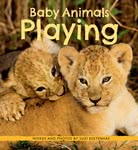
Cover of Baby Animals Playing
Start here, and it is two minutes.

Baby Animals Playing

Book ID 7075
Suzi Eszterhas
Gr K-3Non-fictionTL08NC670L2 min

Lemurs climbing, cheetahs wrestling, bears swimming — baby animals playing, and the argument that play is practice for the skills adulthood needs. The gentlest possible entry, and it sets up 'what is this behaviour for?', which every later book answers.
AskPick one animal. What job is its play training it for?
2
Cover of Animals Black and White
Now make them guess.

Animals Black and White

Book ID 4542
Phyllis Limbacher Tildes
Gr K-3Non-fictionTL08AD660L4 min

Zebra, orca, panda, loon, skunk, penguin, butterfly — riddles solved from habits, habitat and features before the reveal. Inference with a safety net, and the shared black-and-white colouring turns out to have a different reason every time.
AskWhich clue told you first — where it lives, or what it does?
3
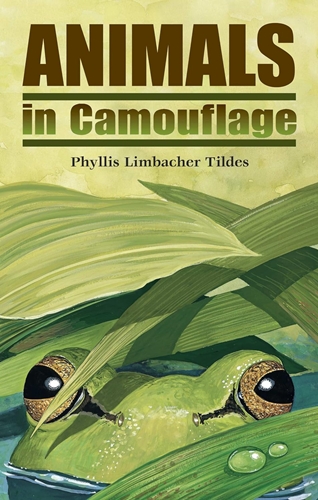
Cover of Animals in Camouflage
The same game, one step harder.

Animals in Camouflage

Book ID 4541
Phyllis Limbacher Tildes
Gr K-3Non-fictionTL08AD660L4 minOpen lessons

Camouflage riddles: leaf insect, crab spider, leafy sea dragon, tree frog. The animals are stranger and the clues are finer, so a class that solved the black-and-white book confidently will slow down here — which is the point of running them in this order.
AskHiding works against being eaten. Which of these is hiding in order to hunt?
4
Cover of A Platypus, Probably
One animal, at length.

A Platypus, Probably

Book ID 6497
Sneed B. Collard
Gr K-2Non-fictionTL1010 minOpen lessons

The platypus: duck-like bill, webbed feet, a mammal that lays eggs, hunting in cold streams. After two books of quick riddles, ten minutes on a single animal that breaks the categories the class has been building.
AskIt lays eggs and it is still a mammal. So what actually makes a mammal?
5
Cover of Lifetime: The Amazing Numbers in Animal Lives
Now count them.

Lifetime: The Amazing Numbers in Animal Lives

Book ID 6514
Lola M. Schaefer
Gr 1-5Non-fictionTL11AD860L3 min

One behaviour counted across a whole lifetime — a spider's egg sacs, a seahorse's babies, a giraffe's spots. The comparison becomes numerical, and the back matter is honest that these are averages.

AskThese are averages, not counts of one animal. Why does the book say so?

Also in the collection

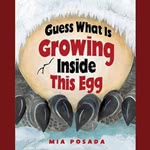
Cover of Guess What is Growing Inside This Egg
Guess What is Growing Inside This EggBook ID 6747Six animals guessed from their eggs. The same riddle move, applied to beginnings.

Animalogic — 18 short videos
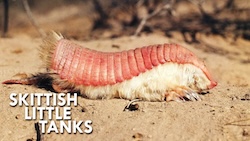
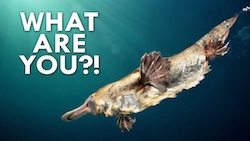
Cover of Platypus
PlatypusBook ID 8297Video. Platypus again, in four minutes. Run it against book 4 and compare what each medium chose.
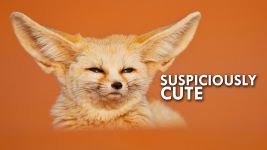
Cover of Fennec Fox
Fennec FoxBook ID 7615Video. Fennec fox — desert adaptation, ears first.
Cover of Jellyfish
JellyfishBook ID 8295Video. Jellyfish, including the one that may not die.
Cover of Blue Tongue Skink
Blue Tongue SkinkBook ID 7617Video. A lizard with a blue tongue, and what the blue is for.
Cover of Ants
AntsBook ID 8281Video. Ants — one animal, at the scale of a civilisation.
Cover of Echidna
EchidnaBook ID 7635Echidna — lays eggs, eats ants, tongue half its body length. Pair with the platypus.
Cover of Pangolins
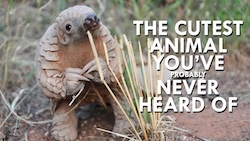
PangolinsBook ID 8296Pangolin. A scale-covered ant eater that rolls into a ball.
Cover of Quokka
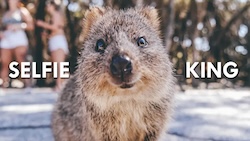
QuokkaBook ID 8301The quokka, and the gap between an internet-famous face and a real conservation problem.
Cover of Wombat
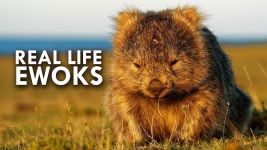
WombatBook ID 7642Wombat. Muscle, burrows, and the strangest droppings in the catalogue.
Cover of Armadillos
ArmadillosBook ID 8283Armadillos — armoured mammals of the Americas.
Cover of Macropus
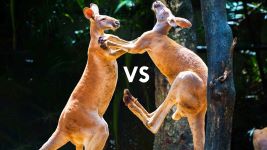
MacropusBook ID 7618Kangaroos and wallabies, and how a body built for jumping actually works.
Cover of Rats
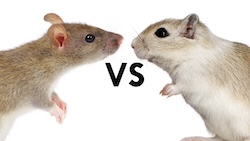
RatsBook ID 8300Rats. The set's best test of whether a class can look past what it already thinks.
Cover of Goose
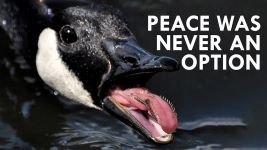
GooseBook ID 7713The goose: loud, tough, adaptable, and everywhere. An animal worth a second look.
Cover of Bald Eagle
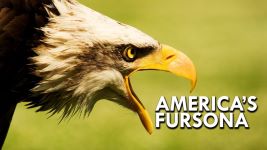
Bald EagleBook ID 7654Bald eagle — hunting, nesting, and a comeback from near extinction.
Cover of Velociraptor
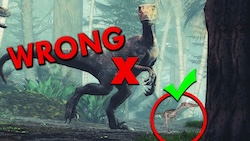
VelociraptorBook ID 8325Velociraptor, feathered and turkey-sized. What the film got wrong and how we know.
Cover of Elasmotherium
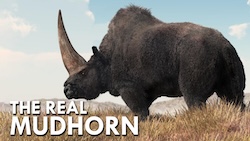
ElasmotheriumBook ID 8326The Siberian unicorn, reconstructed from clues. Close looking with no animal to look at.
Cover of Platybelodon
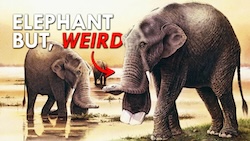
PlatybelodonBook ID 8320Platybelodon, the shovel-faced elephant relative, read out of its fossils.
Cover of Proailurus
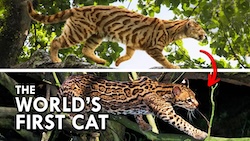
ProailurusBook ID 8324Proailurus — the first cat, traced across the world by its fossil trail.
Teaching this set

Book 4 and the first extra are the same animal. A Platypus, Probably takes ten minutes; the Animalogic platypus video takes four. Run them back to back and ask what the video left out and what it showed that print could not. That comparison is worth more than either on its own.

Because every title here stands alone, this set does not have to be read in order — but books 2 and 3 do, and in that order. The riddle format only gets harder if the easier one came first.

Return to TumbleBookLibrary home