Fear, conflict, attention, identity, and new skills produce different kinds of character change.
6 core booksGrades 1-218 min across 3 timed titlesCatalogue-metadata reviewed
You are the teacher.
You know your students and what they need today.
Use what works. Change what doesn’t. Make it yours.
Teaching purpose
Students compare changes in understanding, behaviour, confidence, and relationship. Every core title has metadata that explicitly describes a beginning state and a meaningful later change, so the set does not infer growth from the existence of a problem alone.
Recommended grade band: Grades 1-2
The Big Question
What makes a character change?
Source and confidence boundary
This set was built from TumbleBookLibrary catalogue metadata, not full-text review. All 6 core titles are publication-eligible: 6 HIGH and 0 MEDIUM confidence; no LOW-confidence title is included.
Use a three-part chart: before, turning pressure, after. Explain that a character may change an idea, an action, a relationship, or a view of self, and those are not interchangeable.
Gr 1-3Informational / Non-FictionTL06540LMetadata confidence HIGH
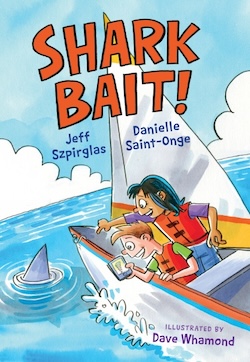
Why it belongs: A shark-focused student resists sailing instruction, then learns that boat skills and ocean science can work together.
Unique contribution: It offers a more gradual change in judgment driven by skill, evidence, and responsibility.
AskDoes Orly give up her original interest, or change how she can act on it?
Optional extensions
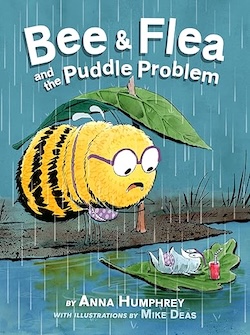
Bee & Flea and the Puddle ProblemBook ID 8349Anna Humphrey · Metadata confidence HIGHWhy optional: Bee's fear, rigid rule focus, and later confidence provide a strong longer-text extension, but the chapter-book range reaches Grade 4.
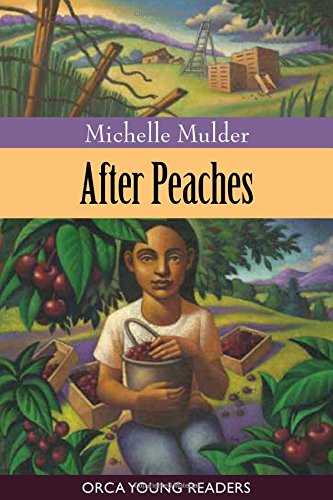
After PeachesBook ID 5912Michelle Mulder · Metadata confidence HIGHWhy optional: Rosario's change in voice and identity is powerful for Grades 4-6, well above the core band and best taught as an older-reader extension.
Across-the-set teaching moves
Name the kind of change: understanding, action, relationship, confidence, or value.
Identify the pressure or new information between before and after.
Distinguish a temporary reaction from a sustained change described in metadata.
Compare change that comes from failure with change that comes from another person.
Ask what stays stable while the character changes.
Book-to-book connections
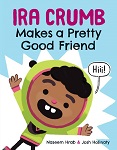
Marsupial Sue + Ira Crumb Makes a Pretty Good Friend: Compare self-acceptance with abandoning a performed strategy for fitting in.
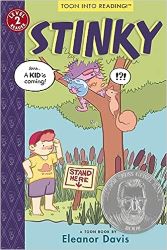
Stinky + Best Friend Trouble: Compare change produced by contact with a newcomer and by talking through conflict.
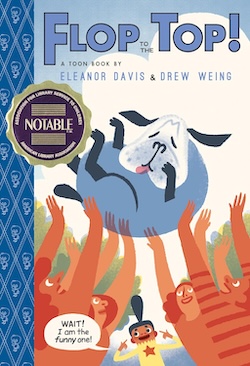
Flop to the Top! + Shark bait!: Compare a change in values with a change in how an interest is pursued.
Culminating discussion
Which force most often produces meaningful change across the set - failure, evidence, relationship, responsibility, or self-understanding? Defend a pattern and an exception.
Teacher look-fors
States a supported before and after.
Identifies the pressure or information that links them.
Distinguishes kinds of character change.
Uses an exception to refine a pattern across books.
Existing-set duplication check
Closest existing Text Set: Big feelings
What overlaps: Both include characters responding to strong internal experiences.
Why this set is genuinely different: The protected set examines what feelings are and how they are held; this set compares causes and types of lasting character change.