You are the teacher.
You know your students and what they need today.
Use what works. Change what doesn’t. Make it yours.
Six children inside their own traditions, each told from within rather than explained from outside. The set is built so that any two of them can be laid side by side — every book is a child, a family, an object or a night that matters, and the comparison a class makes across two of them is the lesson.
Who is this tradition for — and how would you know if you were inside it?
This curated reading sequence is not itself a region-specific standards claim. Review the documentary status on any linked lesson plan.
The sequence
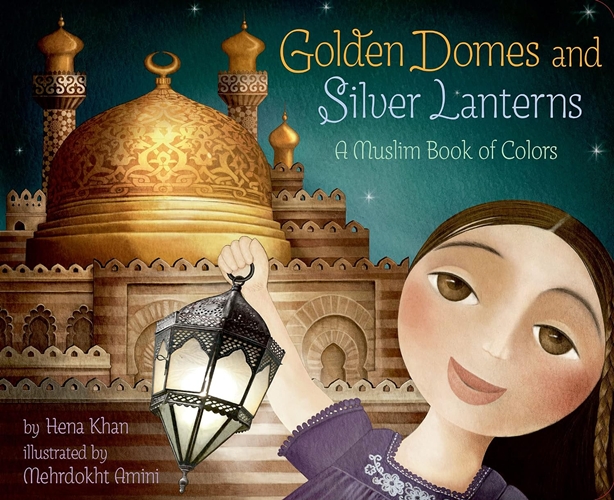
Golden Domes and Silver Lanterns: A Muslim Book of Colors
Book ID 7758A girl walks through her family's Muslim traditions one colour at a time — prayer rugs, the mosque, the Quran, Ramadan, Eid. The colour structure means a K–2 class can hold it, and it introduces most of what book 2 then slows down and explains.
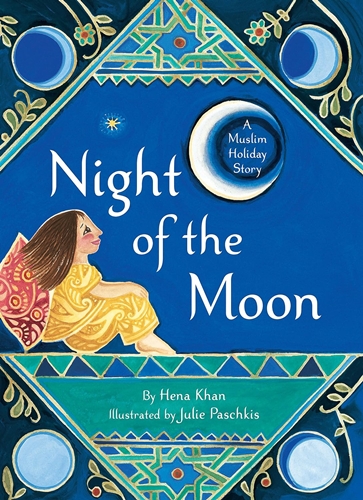
Night of the Moon: A Muslim Holiday Story
Book ID 7757Yasmeen watches the crescent moon grow and shrink through Ramadan — fasting, family meals, the mosque, charity, and finally Eid. Same author as book 1, so the class is already inside the vocabulary and can spend the thirteen minutes on the meaning.
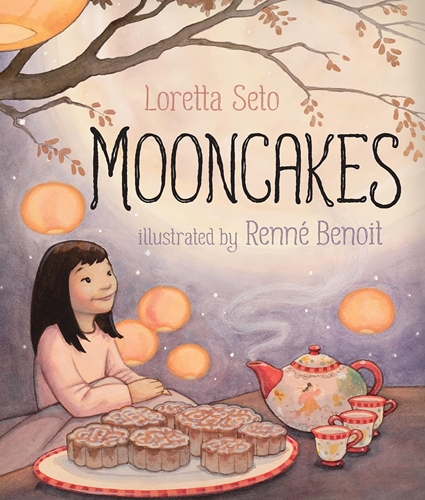
Mooncakes
Book ID 6777The Chinese Moon Festival — mooncakes, tea, paper lanterns, and three moon legends told by her parents while she stays up late. Placed directly after Ramadan on purpose: two festivals, two families, the same moon overhead.
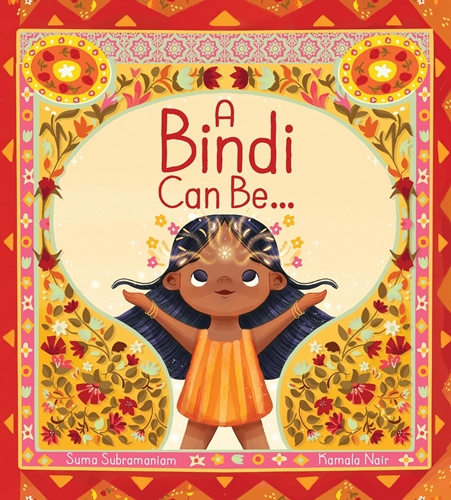
A Bindi Can Be...
Book ID 8390Paati teaches a child to make bindi powder from turmeric, kuṅkumam stone, sandalwood and ghee, and the book unfolds everything one dot can carry. The scale drops from a month to an object, and the meaning does not get smaller.
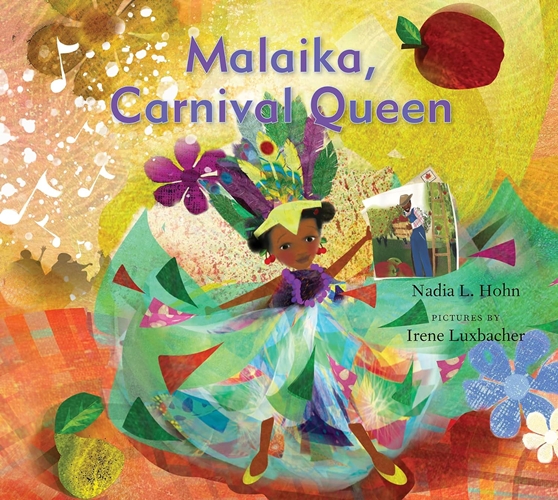
Malaika, Carnival Queen
Book ID 8423Malaika leads a community carnival after learning her father was a migrant farm worker who died before the family could reunite. The first book here where the celebration is carrying grief as well as joy.

A Chanukah Noel
Book ID 6129A Jewish girl in France, surrounded by Christmas, turns her envy into an act of generosity. The right last book because it is the only one where a child is standing between two traditions rather than inside one.
Also in the collection

Books 2 and 3 are the pairing to protect. Night of the Moon and Mooncakes are two families in different parts of the world organising their year around the same moon. Read together they produce the comparison this set exists for; read weeks apart they are two festival books.
Every book here is told from inside the tradition by someone who belongs to it. That is the reason the set works and the thing to preserve if you swap a title in.