You are the teacher.
You know your students and what they need today.
Use what works. Change what doesn’t. Make it yours.
Kindness books get read to children constantly and mostly ask nothing of them. This set is ordered by difficulty instead: it starts where kindness is easy and free, moves to kindness that is inconvenient, then to being kind to someone you find strange, then to organised effort — and ends with a street answering a broken window.
When does being kind actually cost you something?
This curated reading sequence is not itself a region-specific standards claim. Review the documentary status on any linked lesson plan.
The sequence
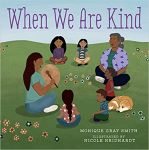
When We Are Kind
Book ID 7707Simple repeated text naming every direction kindness travels — family, friends, Elders, animals, the earth, and back to yourself. Nothing is at stake yet, which is exactly right for a first book: it gives the class the word before it gives them the problem.
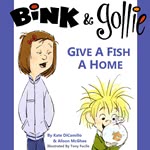
Bink and Gollie: Give a Fish a Home
Book ID 6903Bink brings home a fish and declares him a marvellous companion; Gollie disagrees, and Fred complicates pancakes, films and skating. The first book where being kind to one friend costs the other one something.
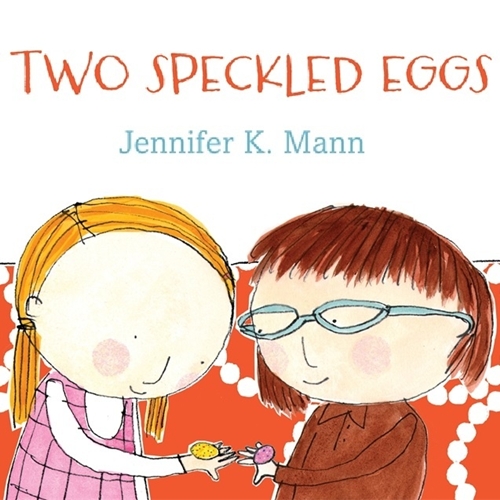
Two Speckled Eggs
Book ID 7028Ginger does not want to invite quiet, odd Lyla Browning to her birthday, and the party she planned falls apart anyway — and Lyla turns out to be the guest who matters. The hardest jump in the set, and it is only three books in.
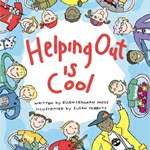
Helping Out is Cool
Book ID 4697A neighbourhood garden, breakfast served, books recorded for readers who cannot see print. Kindness stops being a feeling between two people and becomes something people schedule and turn up for.
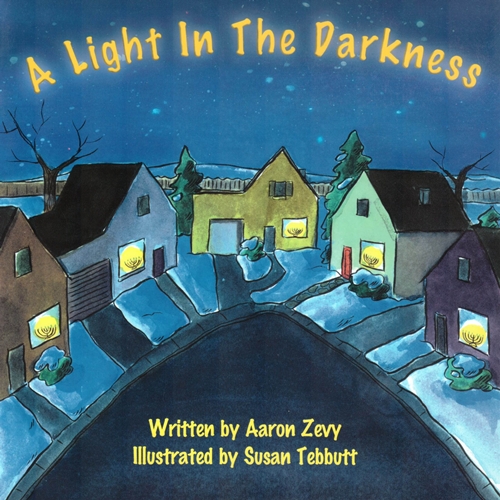
A Light in the Darkness
Book ID 4526Willie tells how a rock went through his Jewish neighbour Josh's window at Hanukkah, and how a whole street answered with light. Kindness as a public act against hate, told by a friend. This title has a full lesson plan.
Also in the collection

The order is a cost curve. Book 1 asks nothing, book 5 asks a family to stand in a window where a rock came through. A class that reads them in this order can be asked at the end which of the five they could actually do — and the answers will not all be book 1.
A Light in the Darkness has a full twenty-module lesson plan, so this set can close into directed work. It also needs the most care in the room: the rock is real, and the book does not soften it.