You are the teacher.
You know your students and what they need today.
Use what works. Change what doesn’t. Make it yours.
Perseverance books usually cheat: the child practises and then succeeds, so the lesson is really that practice works. This set is built around the moment of public failure instead — the middle of the recital, the plate, the stage — and what each child does in the next ten seconds. Two of them do not win anything at all.
What do you do in the ten seconds after it goes wrong?
This curated reading sequence is not itself a region-specific standards claim. Review the documentary status on any linked lesson plan.
The sequence
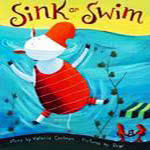
Sink or Swim
Book ID 4147Ralph the cow wants to swim and asks every animal he meets for lessons, none of which work for a cow. Failure with no sting in it — the class laughs, and the pattern of asking, failing and asking again is set up before anything hurts.
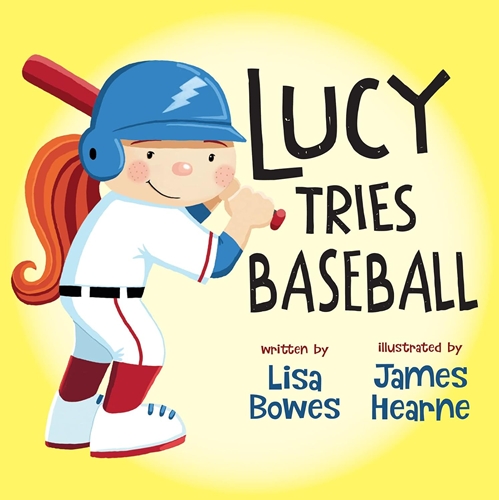
Lucy tries baseball
Book ID 8385Lucy learns to catch, hit and field, then has to stand at the plate afraid of being hit by a pitch. Three minutes, and it separates the two things — the skill she has practised and the fear she has not.

Song of Middle C
Book ID 4190A young pianist has the recital piece thoroughly memorised, freezes, loses the opening — and improvises from a single note into something new. The first book where the failure happens in front of the room and is not undone.
The Dance of the Violin
Book ID 7080The young Joshua Bell, nervous at a competition in Kalamazoo, makes mistakes, stops, and asks to begin again. Read straight after book 3: same disaster, and this child's answer is to request a second start rather than invent his way out.
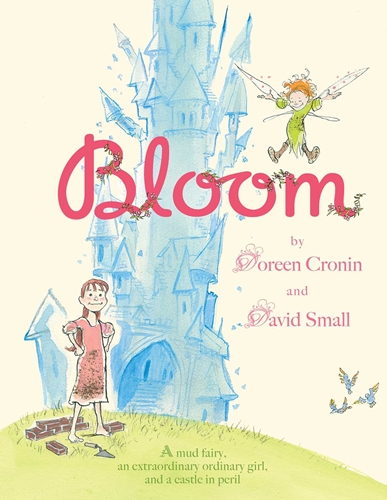
Bloom
Book ID 7078Bloom is a fairy made of mud, rejected by a glass kingdom for the mess she makes, and Genevieve is an ordinary girl sent to find help. Eleven minutes, and it moves the idea from a mistake in front of people to being counted out before you start.

A Bee in Your Ear
Book ID 4676Kate wants to win the spelling bee more than anything, studies with her best friend, and runs into nerves, a cheating rival and her own competitiveness. Fifty-five minutes as a read-along, and the ending is about what she chose over winning.
Also in the collection
Books 3 and 4 are the same disaster twice and belong on the same day. A child freezes in the middle of a performance; one invents a way through and one asks to start again. Neither is the wrong answer, and having both on the table is worth more than either of them alone.
This set ends on a loss on purpose. A Bee in Your Ear is the longest thing here and the only one where the child does not get the thing she wanted — which is what makes it the ending rather than the middle.