You are the teacher.
You know your students and what they need today.
Use what works. Change what doesn’t. Make it yours.
Biography for children usually flattens into a person who was born, was great, and died. This set is arranged by method instead: someone who imagined a machine a century early, someone who wanted an education she was not offered, someone who changed a rule by refusing to obey it, someone who built the thing, someone who was written out of what he made, and someone who coached from a ditch to the Olympics.
Did they change the thing, or change what people believed about it?
This curated reading sequence is not itself a region-specific standards claim. Review the documentary status on any linked lesson plan.
The sequence
Ada Byron Lovelace and the Thinking Machine
Book ID 7486Ada Lovelace loved numbers enough to work out what a machine could be told to do, a century before there was a machine to do it. The set opens on the purest version of the idea: the change arrives before anything is built.

Ruby's Wish
Book ID 4135Ruby, in old China, wishes for university instead of marriage, in a household where that is not what girls are for — and her grandfather listens. The change here is not a device, it is a mind being altered.

That's Not Hockey!
Book ID 7721Jacques Plante takes injury after injury in goal, makes himself a mask, and is told that is not hockey. He wears it anyway and the sport changes permanently. The method here is refusal — one person declining to keep doing it the accepted way.

Whoosh! Lonnie Johnson's Super-Soaking Stream of Inventions
Book ID 7972Lonnie Johnson, from homemade rockets to the Super Soaker, working as an engineer the whole way through. Placed after three books about ideas and refusals because this is the one where the change is a physical object you can buy.

Bill the Boy Wonder: The Secret Co-Creator of Batman
Book ID 6124Bill Finger, who made much of what Batman is and got almost none of the credit for it. The turn in the set: the change can be total and the person can still be erased, and the book is about the long fight to correct that.
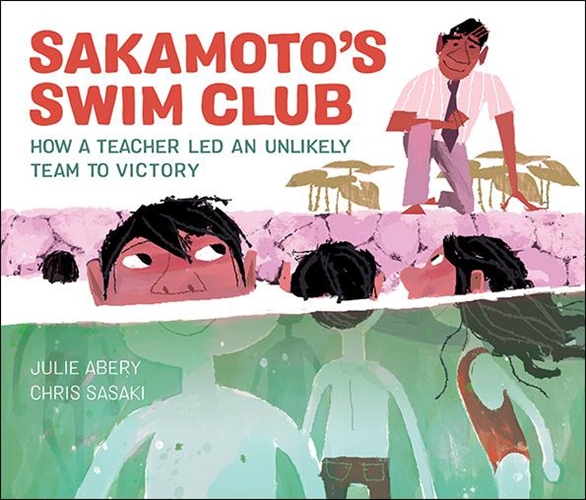
Sakamoto's swim club : how a teacher led an unlikely team to victory
Book ID 8412Soichi Sakamoto, a science teacher with no swimming background, coaches children training in Maui's irrigation ditches all the way to the Olympic podium. Last because his change is not an idea, an object or a rule — it is a group of people who now believe something different about themselves.
Also in the collection


The order is six different methods, not six levels of importance. Imagine it, want it, refuse the rule, build it, get erased, change the people. A class that reads them in this order can be asked at the end which method they would use — a question the same six books in any other order do not set up.
Bill the Boy Wonder is the one that makes the set argue with itself. Every other book here ends with the person being recognised. That one does not, and it is worth the room noticing.