The Word file and the PDF carry the whole guide. The student pages are the two checkpoints and the culminating task, one to a sheet.
About this unit
Most children arrive able to say the number words in order. That is not the same as counting. This unit builds the two things that turn a chant into an answer: that the last word said is the size of the whole group, and that the size does not move when the objects do.
From there the unit does what Kindergarten most needs and picture books rarely do — it stops starting over. Children count on from where they are, use a count to find out that somebody is missing, and finally count groups instead of things. Every lesson ends with a child saying one number about something a teacher can see.
The mathematical arc
Each lesson does one job the lesson before it made possible.
Touch each one once; the last number is how many
The number words have a fixed order, so a missing one can be named
A number can name a place instead of an amount
Counting to check: the count that finds somebody missing
Count on from where you are, instead of starting over
One word decides which way the group moved
Find a group the book never counts
Count the groups instead of the things inside them
Source books
Every lesson in this unit is already published under Math lessons. Nothing here asks you to teach anything you cannot open today.
Each day names one lesson that already exists under Math lessons, with its book, its number and its title. This guide says what that lesson is doing in the sequence and what to collect from it; the lesson itself carries the steps, the printables and the answers.
Thirty minutes a day.
Five minutes to connect to yesterday, the twenty-minute source lesson, five minutes to close on something you can see. A day that runs long should lose the close, never the core.
Teach a lesson on its own if you need to.
Every day carries a one-sentence opening for a teacher who is using that lesson outside the sequence.
Stop after a checkpoint.
The unit holds together if you stop after either checkpoint and come back to it. Stopping between a checkpoint and the next one leaves a lesson without the evidence it was built on.
Where this fits in your year
When to teach it
The long middle of the year. Lessons 1 to 4 can start as soon as the class can say the number words to ten; lessons 5 to 8 want a term of counting behind them.
What students need first
Children can say the number words one to ten in order and can touch objects one at a time.
What this unit develops
Cardinality; the stable order of the number words; ordinal position; counting on from a running total; deriving a count that was never stated; counting a group as one thing.
What it prepares them for
Comparing two groups; adding by counting on; and the Grade 1 work on running totals, where the pile is never swept back to zero.
Curriculum connections
None claimed. The lessons in this unit carry their own standards classifications on their own pages, checked lesson by lesson. A unit-level expectation is a different claim, and none has been verified for this unit, so none is printed here. Use the placement guide above to site the unit in your year, and the individual lesson pages for the codes.
Unit at a glance
#
Mathematical move
Source lesson
Collect
1
Touch each one once; the last number is how many, and it holds when the group is rearranged
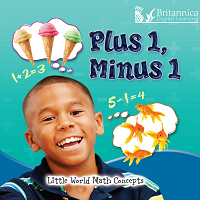
Plus 1, Minus 1 lesson 1, Now Count Them
Each child's one-word answer, given twice about one group, before and after it is moved.
2
The number words have a fixed order — find the missing one and name its neighbours Checkpoint after this lesson
One Duck Stuck lesson 2, Which helper comes next
The finished card line, and each child naming one hidden number with the card before it and the card after it.
3
A number can name a place instead of an amount
Count Off, Squeak Scouts! lesson 1, First, Second, and the Spot You Are Standing In
A line of five in order and a clean count-off, plus each child naming their own place with the numbers hidden.
4
Counting as a check: the count that finds somebody missing
Count Off, Squeak Scouts! lesson 2, The Count That Finds Somebody Missing
The pocket chart with the missing numeral clipped in place, and each short count reported as two numbers.
5
Count on from where you are — the train that never starts over Checkpoint after this lesson
Mousier the Merrier! lesson 1, The Train That Never Starts Over
One unbroken cube train laid along the counting strip, with the number read off the last cube.
6
One word, two mats: which way the group moved
Plus 1, Minus 1 lesson 5, One Word, Two Mats
Two mats, one holding five and one holding three, with each child saying a sentence naming the word and the number together.
7
Find a group the book never counts, from where the count stops and starts again
Mousier the Merrier! lesson 2, How Many Triplets Came
The number of triplets, said together with the sentence in the book that fixed where to stop.
8
One sound, one whole group — counting the groups instead of the things inside them
One Duck Stuck lesson 4, How many came to help
The matched row of counters against sounds, and each child's spoken answer of nine groups with a reason.
Unit vocabulary
Words students say, not words they are taught to define.
how many
The question the last number answers. Children practise answering it with one word.
first, second
Used in lesson 3 for a place in a line, where the number is not an amount.
count on
Used from lesson 5, when a group joins a pile that is already counted.
group
Used in lesson 8, where one sound stands for a whole group rather than for one animal.
Materials
From the source lessons
Each day's materials are listed on that day's page below and on the source lesson itself. Nothing is duplicated here.
New for this unit
Checkpoint 1 page, one per child
Checkpoint 2 page, one per child
Performance task set: a tray of up to fifteen loose objects and three small bags each holding two to four objects, one set per pair
Performance task page, one per child
Assessment plan
Daily evidence
Collect the single-word answer from lessons 1, 3 and 5, and the spoken sentence from lesson 8. A child who answers "how many" with one number in three different lessons has the thing this unit is for.
Checkpoint 1, after lesson 2: How many, and what comes next
Nine counters in a line. The child counts them, answers how many with one number, then the counters are pushed into a heap and the question is asked again. The child then says which number comes after six and which comes before six.
Book-free. Plain counters and no book.
Look for. One number as the answer, both times, without a recount. A child who counts the heap from one has not got cardinality yet, even if the number is right.
Checkpoint 2, after lesson 5: Count on
A train of six cubes is already built and its number is said aloud. Three more cubes are pushed on, one at a time. The child says the total.
Book-free. Plain cubes, no story.
Look for. The child says seven, eight, nine as the cubes land. Sweeping the train back to one and recounting is the error this checkpoint exists to catch.
Culminating task: Count the bags, then count the things
Each pair gets three small bags with two to four objects in each. The pair first counts the bags and says how many, then opens them one at a time and counts on to find how many objects there are altogether, never starting again at one. They finish by saying two sentences: how many bags, and how many things.
Collect. The two spoken numbers with what each one counted, and the line of emptied bags with the objects beside them.
What it assesses. Cardinality, counting on, and counting groups rather than things — the three moves the unit built. No number goes above fifteen and no operation is introduced.
Daily lesson pages
Lesson 1Touch each one once; the last number is how many, and it holds when the group is rearranged
Skill lessonPlus 1, Minus 1 · lesson 1, Now Count Them · Grade K · 20 minutes Counting a group of up to six from one to say how many
I can
I can say how many with one number.
Big idea
The last number said is the size of the whole group, and it stays true when the group is pushed around.
Success
The child answers "how many" with one number and does not start the count again.
Connect | 5 min
First lesson. Count four counters together as a class, slowly, one touch to one number word, and stop dead on the last word.
Taught on its own
After every episode the book says the same thing: count the group. It never says what the count is for.
Source core | 20 min
Partners count groups of three to six by touching each counter once, then answer a partner's "how many" with a single number, then push the same group into a heap and count it again to find the number unchanged.
Collect
Each child's one-word answer, given twice about one group, before and after it is moved.
Close | 5 min
One partner hides between three and six counters under a card, lifts it for a moment and lowers it. The other says how many, then both count together to check.
From the source lesson: Two-color counters, ten per pair; Group mat, a sheet with a picture frame for one group of things; A sheet of card to cover the mat; A row of six drawn spaces, one counter to a space; Word cards: count, how many, group
Watch for: The child recites the whole count again when asked how many. Ask the question a second time and wait for the single word rather than supplying it.
Lesson 2The number words have a fixed order — find the missing one and name its neighbours
Skill lessonOne Duck Stuck · lesson 2, Which helper comes next · Grade K · 20 minutes Ordering the number words one to ten and naming what comes next
I can
I can say which number is missing.
Big idea
The number words come in a fixed order, so a gap in the order can be named without counting the whole line again.
Success
The child names the hidden number and says the number before it and the number after it.
Connect | 5 min
Yesterday one number answered how many. Today the numbers are put in a line and one of them goes missing.
Taught on its own
The book adds one helper at a time and never skips a number, so the order of the story is the order of the number words.
Source core | 20 min
Pairs build the ten arrival cards into a line by counting the dots and saying which number comes next, then one child hides a card and closes the gap while the other names the missing number and its two neighbours.
Collect
The finished card line, and each child naming one hidden number with the card before it and the card after it.
Close | 5 min
A partner names a number word and the child walks a finger along the line, stops on that card, and says how many dots it holds without counting them.
From the source lesson: A marsh strip, one long sheet per pair with ten squares drawn along it; Ten helper cards, each showing one arrival group as dots, from one dot to ten; One enlarged set of the ten helper cards for the class check; Word cards: next, before, after
Watch for: The child recounts the whole line to find the gap. Ask them to walk the line saying the numbers aloud and stop where a word is skipped.
Checkpoint after this lesson: How many, and what comes next. The page is at the end of this guide.
Lesson 3A number can name a place instead of an amount
Skill lessonCount Off, Squeak Scouts! · lesson 1, First, Second, and the Spot You Are Standing In · Grade K · 20 minutes Ordinal position in a line of five
I can
I can say which place I am standing in.
Big idea
A number can name a place in a line instead of an amount, and the place can be said without the number showing.
Success
With the vests turned round, the child says their place using first, second, third, fourth or last.
Connect | 5 min
So far every number has counted things. Hold up a numbered vest and ask how many that number counts. Leave the question open.
Taught on its own
Agnes hands out vests with numbers on them and Wanda states the rule that makes the numbers mean something.
Source core | 20 min
Five children wear numbers one to five, stand mixed up on five taped spots, walk themselves into order using Wanda's rule, and count off down the line, one child one number.
Collect
A line of five in order and a clean count-off, plus each child naming their own place with the numbers hidden.
Close | 5 min
Turn every vest round so no number shows. Each child points at themselves and says which place they are standing in; a partner checks by turning the vest back.
From the source lesson: Five numbered vests or paper bibs, one each for the numbers 1 to 5; A floor line marked with five taped spots; Five large numeral cards, 1 to 5; Word cards: first, second, order
Watch for: A child says how many children there are when asked which place they are in. Ask the question again while standing beside them and pointing along the line.
Lesson 4Counting as a check: the count that finds somebody missing
Skill lessonCount Off, Squeak Scouts! · lesson 2, The Count That Finds Somebody Missing · Grade K · 20 minutes Counting a known group to check it is whole
I can
I can count to find out who is missing.
Big idea
A count can be a check: when the count stops short, the number nobody said names what is gone.
Success
After a short count the child says the number the count reached and the number nobody wore.
Connect | 5 min
Yesterday the count-off came out one, two, three, four, five. Today it will not, and the class has to say what that tells them.
Taught on its own
Agnes says exactly why she counts: that is how she will know if anyone is missing.
Source core | 20 min
The line counts off with everyone present, then one child steps out and hides, the gap closes, and the line counts again; the class says the number reached and clips the numeral nobody wore onto the empty spot.
Collect
The pocket chart with the missing numeral clipped in place, and each short count reported as two numbers.
Close | 5 min
The hidden child comes back and the whole line counts to five again. Children say what changed, using the number the short count stopped on.
From the source lesson: Five numbered vests or paper bibs, one each for the numbers 1 to 5; A floor line marked with five taped spots; A pocket chart or clothesline with five clips; Five large numeral cards, 1 to 5; Word cards: count, missing
Watch for: Children name the child who left rather than the number. Ask for the number first; the name can follow.
Lesson 5Count on from where you are — the train that never starts over
Skill lessonMousier the Merrier! · lesson 1, The Train That Never Starts Over · Grade K · 20 minutes Counting on from a running total as each new group joins
I can
I can keep counting instead of starting again.
Big idea
A pile that has already been counted keeps its number, so a new group is counted on from where the pile stands.
Success
When a group is added the child says the next numbers only, and never restarts at one.
Connect | 5 min
Yesterday a count told you somebody was missing. Today nobody leaves and the pile only grows, so the count never has to go back to the start.
Taught on its own
The mice gather in named groups and nobody goes home, so the number at the door is a running total only a reader keeps.
Source core | 20 min
Pairs snap four cubes into one train, then push on each arrival group in the book's order, counting on aloud from the number the train already holds and never lifting the train off the mat.
Collect
One unbroken cube train laid along the counting strip, with the number read off the last cube.
Close | 5 min
Pairs lay the finished train on the counting strip and say one sentence naming the number and the mice at the door.
From the source lesson: Linking cubes, twenty per pair, all one colour; A doorway mat, one sheet of paper per pair with a door drawn at one end; Six arrival cards, each showing one group of mice as dots; A counting strip printed one to fifteen; Word cards: four, five, six, seven, fifteen
Watch for: The voice goes back to one when a new group arrives. The partner's job is to stop the count the moment it restarts, before the number is said.
Checkpoint after this lesson: Count on. The page is at the end of this guide.
Lesson 6One word, two mats: which way the group moved
Math through the readingPlus 1, Minus 1 · lesson 5, One Word, Two Mats · Grade K · 20 minutes Students build the same group twice from one four-word instruction, once as the book says it and once with a single word swapped, and say aloud which word made which group.
I can
I can say which word made my mat.
Big idea
When two instructions have the same numbers, one small word decides whether the group grew or shrank.
Success
Two mats stand side by side holding different numbers, and the child names the word that built each.
Connect | 5 min
Every count so far has gone up. Today one of the two mats will go the other way, and the numbers in the sentence will be the same on both.
Taught on its own
Pick one more and give one away are the same length, the same shape and the same quantity, and differ by one word.
Source core | 20 min
Pairs set four counters on each of two mats, carry out the book's instruction on the left mat and the same sentence with one word changed on the right, and count both mats from one.
Collect
Two mats, one holding five and one holding three, with each child saying a sentence naming the word and the number together.
Close | 5 min
Both mats are cleared to five for the cookies and the test is run again with the other pair of words, and children say which mat the book agrees with.
From the source lesson: Two-color counters, ten per pair; Two group mats per pair, one labeled More and one labeled Away; A small cup for the counters that have been taken away; The two instructions on one card, the book's above and the swapped one below it; The reporting frame: this mat got ___, so it has ___.
Watch for: A child acts on the number and ignores the word, building the same mat twice. Read the two sentences one after the other with the changed word said louder before they touch anything.
Lesson 7Find a group the book never counts, from where the count stops and starts again
Skill lessonMousier the Merrier! · lesson 2, How Many Triplets Came · Grade K · 20 minutes Finding a group size the text never states, from where a count stops and starts
I can
I can find a number the book never says.
Big idea
When a count stops at one number and starts again at another, the gap between them is a group nobody counted.
Success
The child says how many triplets came and says the words in the book that told them where to stop.
Connect | 5 min
Yesterday one word changed the number. Today no word gives the number at all, and the two counts on either side of the gap have to give it up.
Taught on its own
The book says the triplets were met and never says how many of them there were, then picks its count up at eight.
Source core | 20 min
Pairs build a train of seven, listen for the number the next count starts on, push cubes onto the same train until it reaches that number, and count the cubes they pushed.
Collect
The number of triplets, said together with the sentence in the book that fixed where to stop.
Close | 5 min
Each child tells a partner two things in one turn: how many triplets came, and the words that let them know. Neither counts on its own.
From the source lesson: Linking cubes, twenty per pair, all one colour; A counting strip printed one to fifteen; Six arrival cards, each showing one group of mice as dots; Word cards: seven, eight, ten, three
Watch for: A child says three because the word is triplets. Ask which sentence in the book told them, and send them back to the strip if there is not one.
Lesson 8One sound, one whole group — counting the groups instead of the things inside them
Math through the readingOne Duck Stuck · lesson 4, How many came to help · Grade K · 20 minutes Children count the helpers' sounds in the book's closing line to settle a number the story never says, and learn that one sound stands for one whole group.
I can
I can count the groups instead of the animals.
Big idea
What gets counted is a choice: one sound stands for a whole group, so the answer is nine groups and not nine animals.
Success
The child answers with "nine groups" and can say why the duck is not one of them.
Connect | 5 min
Yesterday you found a group the book never counted. Today every group is in the book and the animals inside them are what has to be ignored.
Taught on its own
Every verse counts the animals inside a group and no verse ever counts the groups, and then the closing line prints one sound for each group that came.
Source core | 20 min
One child drops a single counter into a cup for each arrival, whatever its size; the pair then touches and counts the nine printed sounds, and lays one counter beside each sound with none left over on either side.
Collect
The matched row of counters against sounds, and each child's spoken answer of nine groups with a reason.
Close | 5 min
Each child tells a partner how many groups came to help and why the answer is not ten, pointing at the duck as the one being helped.
From the source lesson: Two-colour counters, ten per pair; One paper cup per pair; The closing sound line printed large, one per pair; The closing sound line enlarged for the class count; The nine arrival verses listed in order for the check
Watch for: A child counts the animals in a verse instead of dropping one counter. Say the rule again at the third arrival, before the habit sets.
Culminating performance task
Count the bags, then count the things
Each pair gets three small bags with two to four objects in each. The pair first counts the bags and says how many, then opens them one at a time and counts on to find how many objects there are altogether, never starting again at one. They finish by saying two sentences: how many bags, and how many things.
Collect. The two spoken numbers with what each one counted, and the line of emptied bags with the objects beside them.
What it assesses. Cardinality, counting on, and counting groups rather than things — the three moves the unit built. No number goes above fifteen and no operation is introduced.
Teacher key and rubric
Key
Checkpoint 1: nine both times; seven comes after six and five comes before six.
Checkpoint 2: nine. Any child who reaches nine by recounting from one should be recorded as not yet.
Task: three bags. The total depends on the bags you fill; make it between eight and twelve so counting on is worth doing and no count passes fifteen.
Rubric
Strand
Secure looks like
Developing
Not yet
Representation
Every object is touched once, and the bags stay separate until they are opened.
Does it with the arrangement in front of them.
Produces an answer without the arrangement or the reason.
Calculation
The second count starts from the number already reached, not from one.
Does it with the arrangement in front of them.
Produces an answer without the arrangement or the reason.
Meaning
Each number is said with what it counted: three bags, ten things.
Does it with the arrangement in front of them.
Produces an answer without the arrangement or the reason.
Explanation
The child can say why the two numbers are different without being told.
Does it with the arrangement in front of them.
Produces an answer without the arrangement or the reason.
Print-ready student pages
These three pages print one to a sheet. Everything above them is the teacher guide.
Checkpoint 1 · Kindergarten
How many, and what comes next
NameDate
Count the counters. How many? Say one number. Now push them into a heap and answer again. Then say which number comes after six, and which number comes before six.
Checkpoint 2 · Kindergarten
Count on
NameDate
Your train has six cubes. Push three more on, one at a time. Do not go back to one. How many now?
Culminating task · Kindergarten
Count the bags, then count the things
NameDate
Count the bags. How many bags? Now open them one at a time and keep counting on. Do not start again at one. How many things altogether? Say both numbers: how many bags, and how many things.
Teacher planning and handoff
Children who recount from one in the task will need lesson 5 again before the Grade 1 running-total work.
Lesson 3 is the only ordinal work in this unit; if the class is going straight to comparison, it is the one to revisit.
Two Kindergarten books that count well, Grandma's Tiny House and Teddy Bear, Teddy Bear, are not used here because their lessons repeat these moves at a larger size.