You are the teacher.
You know your students and what they need today.
Use what works. Change what doesn’t. Make it yours.
This set is ordered by depth. It starts on the skin with a one-minute handwashing song, watches germs travel across a zoo, moves to what sunlight does, then to a child managing a condition from the inside, and finally goes right in — through the digestive system and around the circulatory one. By the end the class has gone from a tap to a red blood cell.
What is your body doing about this without being asked?
This curated reading sequence is not itself a region-specific standards claim. Review the documentary status on any linked lesson plan.
The sequence

Wash Your Hands (TumbleTune)
Book ID 7422Backs, fronts, fingertips, the spaces between the fingers. It is a TumbleTune, so it is sung rather than read, and a K–2 class will have it by heart after two goes — which is the point of putting it first.
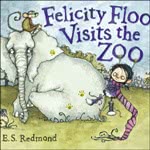
Felicity Floo Visits the Zoo
Book ID 6132Felicity Floo tours the zoo with a cold and leaves green handprints on everything, and one animal after another goes sniffly while the zookeeper cannot work out what happened. The germ is drawn, so the transmission the song was preventing is now visible.

Block the Sun, Not the Fun!
Book ID 4756UVA and UVB sing about what sunlight does for us — warmth, plants, tides, telling the time — and then about what too much of it does. Three minutes, and it introduces a risk with no symptom you can point at on the day.
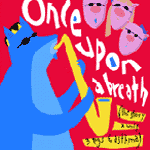
Once upon a Breath
Book ID 4775Bee Bee Wolf, a jazz-loving big bad wolf with asthma, explains his triggers, his medication and his inhalers as he goes about his day. The turn in the set: from things done to a body to a person managing one. This title has a full lesson plan.
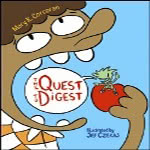
The Quest to Digest
Book ID 8116A bite of apple followed all the way through — teeth, saliva, oesophagus, stomach, and the rest of the trip. Twenty-one minutes, funny, and the first book here that is genuinely about anatomy rather than habits.
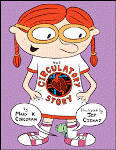
The Circulatory Story
Book ID 4224A ride on a red blood cell through the heart, arteries, capillaries, veins and lungs. Twenty-seven minutes, the longest in the set, by the same author as book 5 — so the class already knows how to read this kind of tour.
Also in the collection
Books 5 and 6 are by the same author and belong in that order. Both are guided tours of a system with a joke every page. The digestive one has a start and a finish, which is easier to hold; the circulatory one loops forever, which is harder — and much less strange once the class has done the first tour.
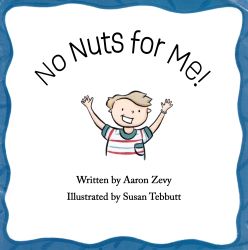
Once upon a Breath and No Nuts for Me! both have full twenty-module lesson plans, and both are about a child living with a condition rather than being taught a rule. If this set turns into directed work, start there.