Six choices move from temptation to impact, honesty, repair, and responsibility.
6 core booksGrades 1-324 min across 3 timed titlesCatalogue-metadata reviewed
You are the teacher.
You know your students and what they need today.
Use what works. Change what doesn’t. Make it yours.
Teaching purpose
Students study responsibility as a chain: available options, a choice, its effect, and the action taken afterward. The set includes temptation, a costly mix-up, a failed joke, a concealed mistake, and repeated errors so that responsibility is not reduced to simply obeying a rule.
Recommended grade band: Grades 1-3
The Big Question
How do our choices affect other people?
Source and confidence boundary
This set was built from TumbleBookLibrary catalogue metadata, not full-text review. All 6 core titles are publication-eligible: 6 HIGH and 0 MEDIUM confidence; no LOW-confidence title is included.
Draw four linked boxes labelled options, choice, effect, and next action. Tell students that a poor choice and an irresponsible person are not the same claim; the books will show what characters do after an effect becomes clear.
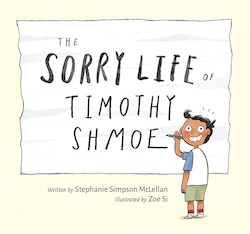
Why it belongs: A boy's mistakes accumulate while his family continues to support him.
Unique contribution: It asks students to hold accountability and continuing care together across more than one incident.
AskHow can people expect better choices while still showing that a person belongs?
Optional extensions
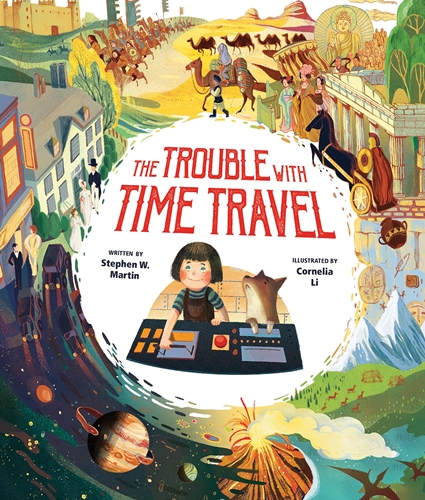
The Trouble with Time TravelBook ID 7701Stephen W. Martin · Metadata confidence HIGHWhy optional: A time-machine attempt to avoid a broken-vase consequence extends the idea of erasing versus repairing, but its fantasy mechanism is less direct for the core progression.
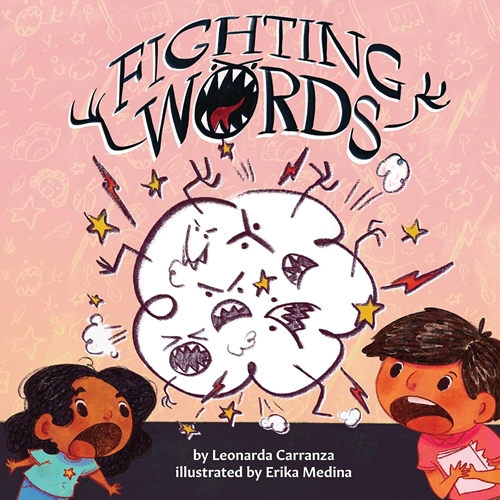
Fighting WordsBook ID 8425Leonarda Carranza · Metadata confidence HIGHWhy optional: The impact of angry words offers a powerful extension, but it already anchors the protected Big feelings set.
Across-the-set teaching moves
Map options, choice, immediate effect, wider effect, and next action.
Compare intention with impact without treating either as irrelevant.
Distinguish punishment, natural consequence, apology, and repair.
Ask when another character gains information that the chooser already had.
Return to whether responsibility ends once a consequence has been accepted.
Book-to-book connections
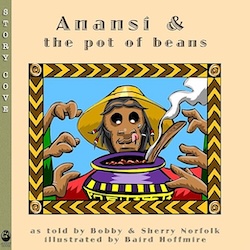
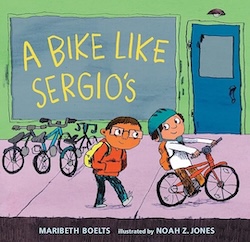
Anansí and the Pot of Beans + A Bike Like Sergio’s: Compare temptation when an object belongs to someone else.
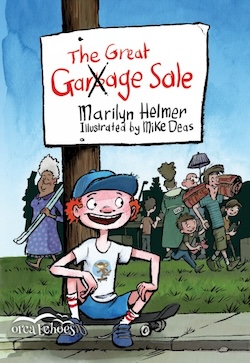
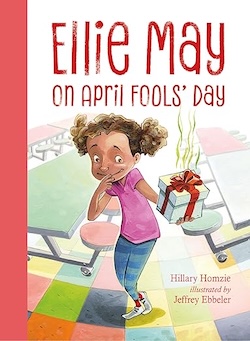
The Great Garage Sale + Ellie May on April Fools' Day: Compare accidental harm with harm that follows a planned joke.
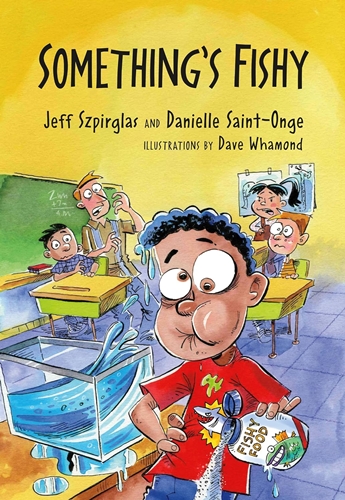
Something's Fishy + The Sorry Life of Timothy Shmoe: Compare one difficult repair with responsibility across repeated mistakes.
Culminating discussion
Which matters most when judging responsibility - the options someone had, what they intended, the effect, or what they did next? Use at least three books.
Teacher look-fors
Traces a complete choice-and-effect chain.
Distinguishes intention from impact.
Names a concrete form of repair.
Supports a judgment by comparing several books.
Existing-set duplication check
Closest existing Text Set: Community and citizenship
What overlaps: Both address responsibility and how actions affect others.
Why this set is genuinely different: The protected set asks who can improve a place; this set analyzes individual decisions, consequences, and repair.