Language, memory, culture, new family, and care move in both directions across generations.
6 core booksGrades K-349 min across 6 timed titlesCatalogue-metadata reviewed
You are the teacher.
You know your students and what they need today.
Use what works. Change what doesn’t. Make it yours.
Teaching purpose
Students compare the many forms of exchange between children and grandparents: words, time, stories, culture, belonging, and care. The sequence deliberately ends with a child supporting a grandfather's memory, showing that knowledge and help do not move in only one direction.
Recommended grade band: Grades K-3
The Big Question
What can one generation give to another?
Source and confidence boundary
This set was built from TumbleBookLibrary catalogue metadata, not full-text review. All 6 core titles are publication-eligible: 6 HIGH and 0 MEDIUM confidence; no LOW-confidence title is included.
Introduce a generation as a group born in a different period, not as a guarantee that every child has a living grandparent. Students may discuss the relationships in the books without sharing personal family information.
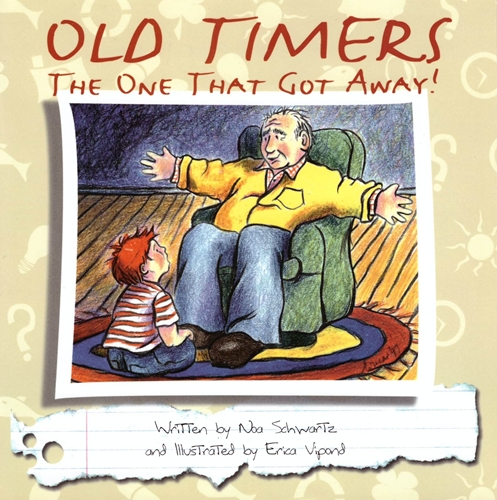
Why it belongs: A child uses photographs and shared memories with a forgetful grandfather.
Unique contribution: It reverses the expected direction of care and makes memory itself something generations hold together.
AskWhen Pop cannot give the memory back in the same way, what can the child still give?
Optional extensions
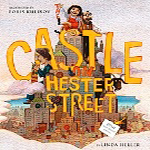
Castle on Hester StreetBook ID 4165Linda Heller · Metadata confidence HIGHWhy optional: Competing grandparent accounts of immigration strongly extend memory and storytelling, but its Grades K-5 span is wider than the core band.
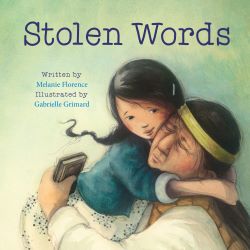
Stolen WordsBook ID 7769Melanie Florence · Metadata confidence HIGHWhy optional: A granddaughter helping recover Cree words provides an important, specific context; use with the cultural care named in its metadata and author materials.
Across-the-set teaching moves
Name what moves between generations in each book: words, stories, traditions, care, or belonging.
Notice when a child teaches or supports an older person.
Compare relationships that already exist with one that is newly forming.
Ask how an object, meal, photograph, or place helps carry memory.
Avoid ranking one family's traditions against another's.
Book-to-book connections
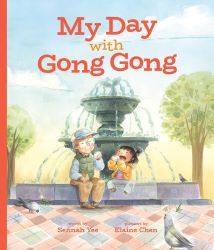
My Day With Gong Gong + I Love Saturdays y Domingos: Compare language and culture across one shared day and recurring family weekends.
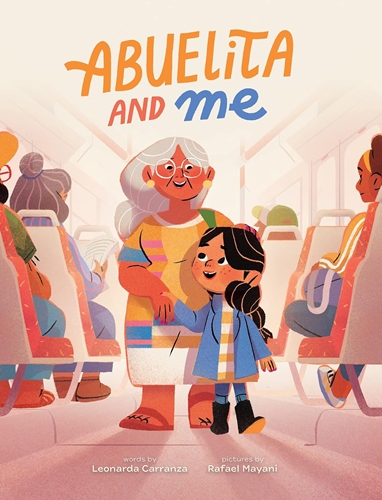
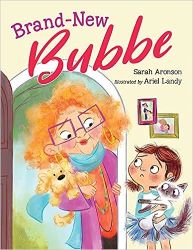
Abuelita and Me + Brand-new Bubbe: Compare a tested established bond with a new relationship that has to grow.
Perfect Season for Dreaming + Old Timers: Compare imagination and photographs as ways of holding experience together.
Culminating discussion
Using three books, explain how giving and receiving move in both directions between generations.
Teacher look-fors
Identifies a specific exchange supported by a book.
Recognizes children as contributors, not only recipients.
Compares established and newly formed family bonds.
Uses respectful language about different family and cultural contexts.
Existing-set duplication check
Closest existing Text Set: Cultures around the world
What overlaps: Several books include language, food, memory, and cultural tradition.
Why this set is genuinely different: The protected set compares cultural traditions; this set studies reciprocal relationships between generations.