Six sibling problems reveal how roles, rivalry, repair, and cooperation change a family.
6 core booksGrades 1-317 min across 2 timed titlesCatalogue-metadata reviewed
You are the teacher.
You know your students and what they need today.
Use what works. Change what doesn’t. Make it yours.
Teaching purpose
Students compare sibling roles rather than treating family as a topic label. The books move from helping through conflict and rivalry to compromise, cooperation, and preparation for a new sibling.
Recommended grade band: Grades 1-3
The Big Question
How do siblings learn to share a family without having to be the same?
Source and confidence boundary
This set was built from TumbleBookLibrary catalogue metadata, not full-text review. All 6 core titles are publication-eligible: 6 HIGH and 0 MEDIUM confidence; no LOW-confidence title is included.
Invite students to notice roles - older, younger, twin, helper, competitor, teacher - without asking anyone to disclose their own family situation. A role can change during a story and no one family structure is presented as the model.
Gr 1-4Realistic Fiction730LMetadata confidence HIGH
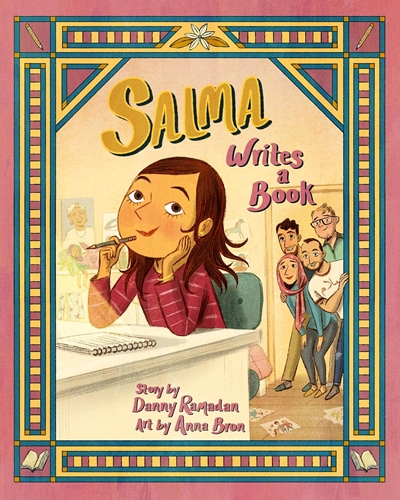
Why it belongs: Salma researches how to become a good older sister while learning that responsibility includes honesty, repair, and love during disagreement.
Unique contribution: It turns a fixed role into something a child studies, practices, and revises.
AskBy the end, what does Salma think a good older sister does that a guidebook alone cannot teach?
Optional extensions
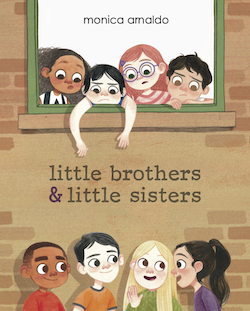
Little Brothers & Little SistersBook ID 8331Monica Arnaldo · Metadata confidence HIGHWhy optional: This broad celebration of younger siblings is useful for opening representation, but it offers less narrative change than the core sequence.
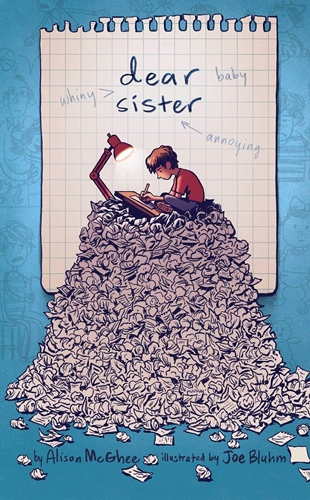
Dear SisterBook ID 8342Alison McGhee · Metadata confidence HIGHWhy optional: The long-term sibling relationship is valuable for older readers, but its Grade 4-7 range sits above the core band.
Across-the-set teaching moves
Track each sibling's role at the beginning and end of a book.
Compare helping, controlling, competing, compromising, and repairing.
Ask whose need is easiest to overlook in each relationship.
Notice whether the solution changes a person, a rule, or the way work is shared.
Invite multiple defensible descriptions of a fair sibling relationship.
Book-to-book connections
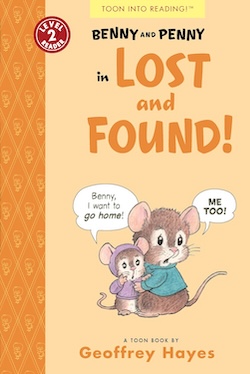
Benny and Penny in Lost and Found! + The Big Wet Balloon: Compare an older sibling who helps with one who must repair a mistake.
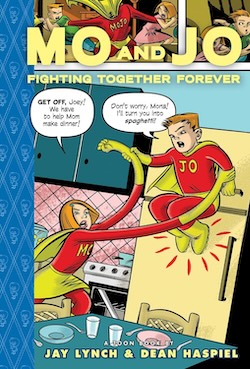
Liam Takes a Stand + Mo and Jo Fighting Together Forever: Compare competition that excludes someone with rivalry that must become cooperation.
My Brother, the Knight + Salma Writes a Book: Compare negotiated family roles with a child deliberately learning a new role.
Culminating discussion
Across at least three relationships, what makes a sibling role fair, and when does that role need to change?
Teacher look-fors
Names a specific sibling role rather than saying only that the characters get along.
Explains how conflict changes the way responsibility is shared.
Compares repair with cooperation.
Avoids assuming that one family structure or sibling order is universal.
Existing-set duplication check
Closest existing Text Set: Kindness and friendship
What overlaps: Both include care, conflict, and repair between people.
Why this set is genuinely different: The protected set orders acts of kindness by cost; this set studies changing roles and power inside sibling relationships.