Begin with one picture, then compare two narrators telling the same week.
6 core booksGrades K-230 min across 6 timed titlesCatalogue-metadata reviewed
You are the teacher.
You know your students and what they need today.
Use what works. Change what doesn’t. Make it yours.
Teaching purpose
Students compare visual interpretation, paired narrators, role reversal, and a narrator who misunderstands change. The sequence separates what happened from the version a viewer or narrator constructs, giving perspective a concrete instructional purpose.
Recommended grade band: Grades K-2
The Big Question
How does who is looking - or telling - change the story we receive?
Source and confidence boundary
This set was built from TumbleBookLibrary catalogue metadata, not full-text review. All 6 core titles are publication-eligible: 6 HIGH and 0 MEDIUM confidence; no LOW-confidence title is included.
Tell students that two readers can notice the same evidence and still reach different conclusions. Across the set, keep a class chart with two columns: what everyone can observe and what a particular voice thinks it means.
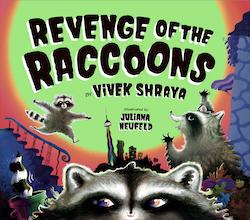
Why it belongs: Raccoons reverse the usual human description of urban wildlife and ask readers to consider shared space.
Unique contribution: It scales perspective from one character's misunderstanding to a community and environmental frame.
AskHow does the raccoons' version change who appears to be invading whose home?
Optional extensions
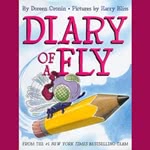
Diary of a FlyBook ID 4168Doreen Cronin · Metadata confidence HIGHWhy optional: A fly narrator offers another nonhuman point of view, but the broader science content makes it an extension rather than part of the tight comparison arc.
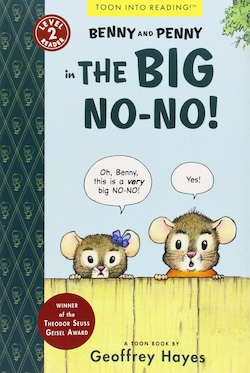
Benny and Penny in The Big No-No!Book ID 8274Geoffrey Hayes · Metadata confidence HIGHWhy optional: Its misunderstanding supports perspective-taking, but it focuses more on assumptions about a neighbour than on narration itself.
Across-the-set teaching moves
After each book, separate observable details from the narrator's or viewer's interpretation.
Ask students to identify what information one voice has that another voice does not.
Return to an earlier judgment after a second perspective and invite students to revise it.
Compare how humour is created when readers know more than a narrator.
Classify differences as evidence, interpretation, missing information, or point of view.
Book-to-book connections
Frank And Laverne Franks Side of the Story + Frank and Laverne: Laverne's Side of the Story: Place Frank's and Laverne's accounts side by side and identify shared facts before comparing conclusions.
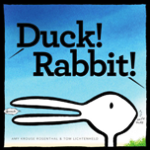
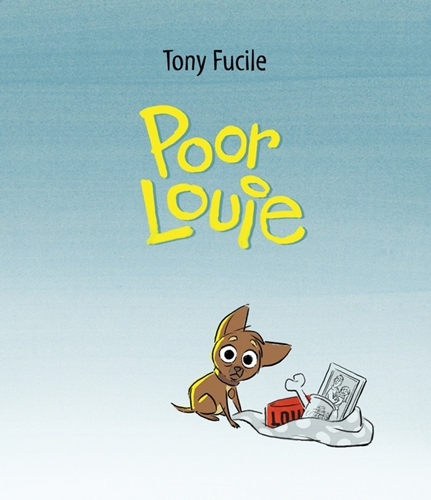
Duck! Rabbit! + Poor Louie: Compare an image that permits two readings with a narrator who has only part of the information.
If I Were You + Revenge of the Raccoons: Compare choosing another role with hearing a group whose view is usually left out.
Culminating discussion
Choose three books. How did a new perspective change what counted as the problem, and which conclusion can you support with the strongest shared evidence?
Teacher look-fors
Distinguishes an observation from an interpretation.
Uses details from more than one book or voice.
Explains why access to different information changes a conclusion.
Revises an earlier idea after considering another point of view.
Existing-set duplication check
Closest existing Text Set: Graphic novels
What overlaps: Both ask students to notice how meaning is communicated.
Why this set is genuinely different: Graphic novels compares word and image; this set compares viewers and narrators whose positions change the account.