You are the teacher.
You know your students and what they need today.
Use what works. Change what doesn’t. Make it yours.
Fairy tales are the first form children learn to predict, which makes them the best material for teaching how form works. This set opens on two tales most classes can already recite, moves to three they probably cannot — one of them from Hawaii — and finishes with a parody that only works if the first five have done their job.
What has to be true in a story like this, and who decided that?
This curated reading sequence is not itself a region-specific standards claim. Review the documentary status on any linked lesson plan.
The sequence
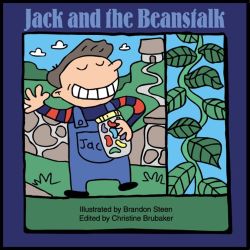
Jack and the Beanstalk
Book ID 4703The cow, the beans, the beanstalk, the giant, the escape. Twelve minutes of the version a class expects, which is the point — this book establishes the pattern everything else in the set will be measured against.

Rumpelstiltskin
Book ID 4824A miller's boast, a king's greed, a promise made under pressure, and a name that has to be guessed. Same familiarity as book 1 with a far nastier bargain underneath, and it introduces the rule of three the class will now start seeing everywhere.

Twelve Dancing Princesses
Book ID 6346Twelve princesses whose shoes wear out every night, and a cobbler who follows them underground. The first tale here the class cannot predict — and they will try, using the rules books 1 and 2 taught them.

Fiona's Luck
Book ID 4528Leprechauns lock away all of Ireland's luck, and Fiona — who has none — gets it back by wit and patience. After three tales resolved by magic or theft, one resolved by thinking, and the set notices the difference.
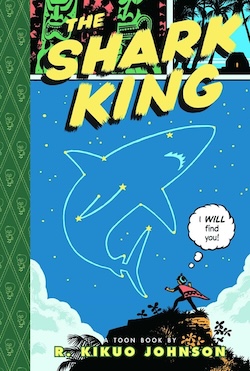
The Shark King
Book ID 8278Nanaue, son of a human mother and the shark god Kamohoalii, trying to work out where he belongs. A Hawaiian legend told as a graphic novel — different tradition, different rules, and the class has to read without the map they have been building.
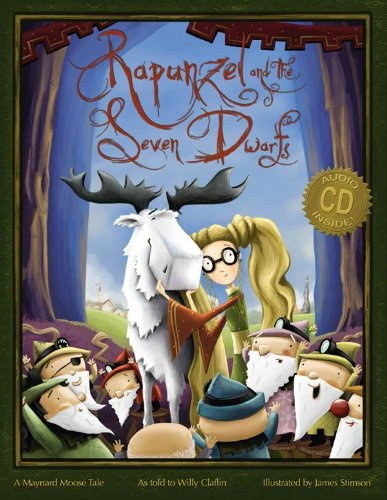
Rapunzel and the Seven Dwarfs: A Maynard Moose Tale
Book ID 6144Maynard Moose tells Rapunzel, except it is also Snow White, set in the Northern Piney Woods, in mangled language throughout. Every joke is a rule from the first five books being broken on purpose, which is why it cannot go anywhere but last.
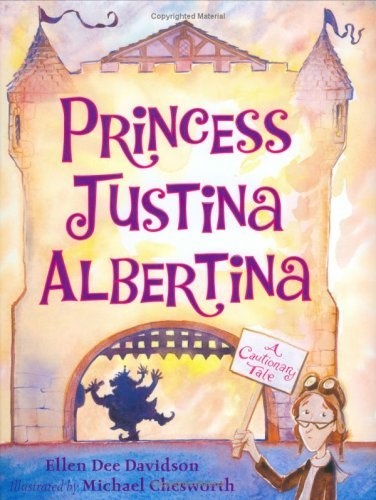
Also in the collection

Book 6 is the assessment. If the class can list what Rapunzel and the Seven Dwarfs is breaking, they have learned the form. If it just reads as a silly story, the rules did not land — and the fix is to go back to books 1 and 2 and name the pattern out loud.
The Shark King is doing something none of the others do: it comes from a tradition with different rules, and it is not a variant of the European tales around it. Do not present it as the odd one out — present it as evidence that the rules the class just learned are local.