Habitats & food chains — six books, start where it lives
Start where the animal lives, end with what eats what.
six in sequenceGrades K–5TL07–TL11 where levelled42 min listening8 books + 22 videos in the collection
You are the teacher.
You know your students and what they need today.
Use what works. Change what doesn’t. Make it yours.
A food chain drawn on a board is four arrows and no reason. This set earns the arrows: it begins with a leaf falling into a stream, moves out to a whole coastal ecosystem, then turns the idea over — how prey survive being eaten at all — before ending on what happens to an animal whose habitat burns.
The question that runs through all six
What has to be true about a place before an animal can live there?
Standards status
This curated reading sequence is not itself a region-specific standards claim. Review the documentary status on any linked lesson plan.
Set worksheet (PDF) — the worksheet is one row per book, filled in after each one.
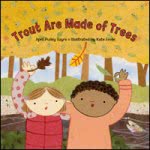
Leaves fall into a stream, feed bacteria and algae, which feed insects, which feed the trout. The title states a conclusion the class cannot yet believe, and the book spends six minutes proving it. Nothing else here explains a food chain this cleanly.
AskTrout are made of trees. Say what has to happen for that sentence to be true.
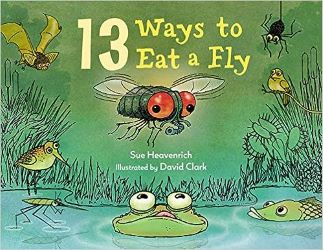
Thirteen ways a fly is eaten — frog tongues, spider silk, a Venus flytrap. Numbered, so the class can hold all thirteen, and it quietly makes the point that a pest is a food source to something.
AskThirteen animals eat flies. What would happen to those thirteen if the flies went?
Orcas hunting in the Great Bear Sea, and around them bears, wolves, salmon, birds, sea stars and urchins. This is where a chain becomes a web — the salmon connect the ocean to the rainforest, and the class can trace it.
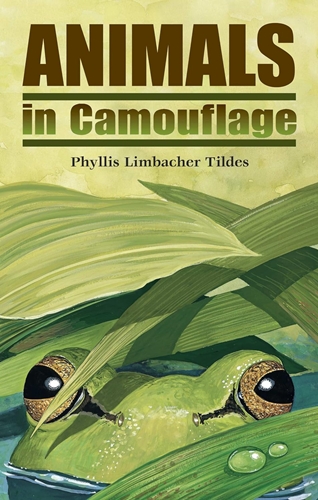
Riddles for a polar bear, leaf insect, crab spider, leafy sea dragon and tree frog. Camouflage only makes sense once a class knows something is hunting — which is why it sits here and not first. The clues make it an inference lesson as much as a science one.
AskCamouflage hides the hunted. Why does the polar bear have it too?
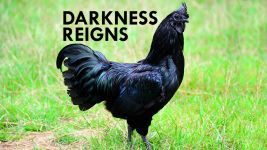
Zebra, orca, giant panda, loon, skunk, penguin, butterfly — all black and white, for completely unrelated reasons. Read straight after the camouflage riddles: identical structure, and the answer to 'why this colouring' changes every page.
AskWhy would the same two colours help a zebra and a skunk in different ways?
A mother koala and her joey leave a burned home range and cross neighbourhoods, a dog, and a road before finding eucalyptus again. Every idea in the set — habitat, food, shelter, danger — is now attached to one animal the class is following.
AskShe needs eucalyptus, not just any trees. Why does that make her harder to save?
Also in the collection
Because of an AcornBook ID 7387One acorn, one forest. The shortest food-web book in the catalogue.
ManateesBook ID 7530An endangered mammal and the people working on it. Where the set turns to conservation.
Animalogic — 22 short videos
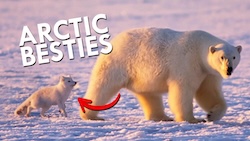
Arctic FoxBook ID 8282Video. Arctic fox — how a hunter survives the cold, the dark and the competition.
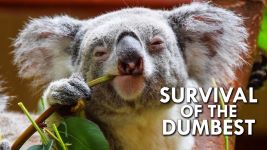
KoalaBook ID 7633Video. A koala that sleeps most of the day and eats poisonous leaves. Pair with Finding Home.
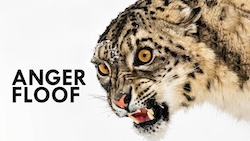
Snow LeopardBook ID 8303Video. Snow leopard — adaptation as the whole explanation for an animal.
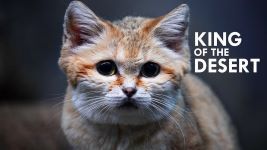
Sand CatBook ID 7694The desert cat — scorching days, freezing nights, almost no water.
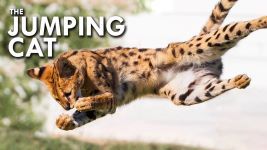
ServalBook ID 7696Serval. Stilt legs and huge ears for a savanna where the prey is under the grass.
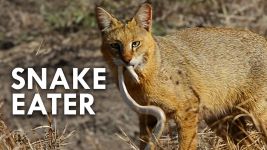
Swamp CatBook ID 7697Swamp cat. One hunter that works from Egypt to Vietnam, and still needs wetland.
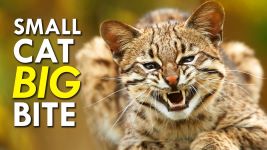
Tiger CatBook ID 7698Tiger cat — a tiny jungle predator carrying outsized problems.
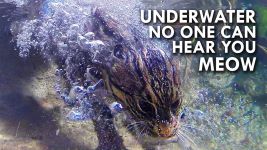
Fishing CatBook ID 7691The cat that breaks the rules and dives headfirst after fish.
MargayBook ID 7692Margay. Climbs down headfirst and hunts monkeys in the canopy.
OcelotBook ID 7693Ocelot — all-terrain paws and camouflage built for jungle floor.
Canada LynxBook ID 8286Canada lynx. Giant paws for deep snow, and a food supply of almost one thing.
RattlesnakeBook ID 7649Rattlesnake — warning, hunting, and the pest control nobody credits it for.
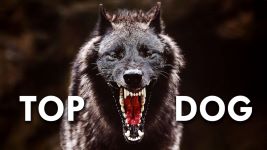
Timber WolfBook ID 7597Timber wolf. How a pack hunts, talks and holds a territory.
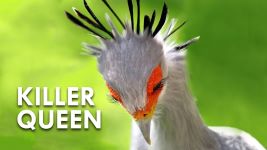
Secretary BirdBook ID 7603The secretary bird, which kills snakes by stamping on them.
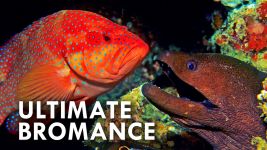
MutualismBook ID 7679Mutualism. Clownfish and anemones, coyotes and badgers — the chain read as teamwork.
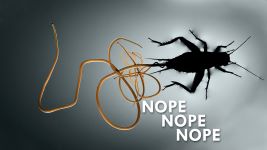
Parasitic ZombificationBook ID 7667Parasites that take over the animal they live in. The food chain from the inside.
ThanatosisBook ID 7689Thanatosis — opossums and butterflies escaping by convincingly dying.
MelanismBook ID 7681Melanism. Black panthers and peppered moths, and when dark colouring pays.
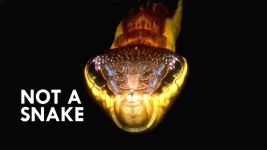
MimicsBook ID 7668Octopuses that pass for sea snakes, mantises that vanish into flowers.
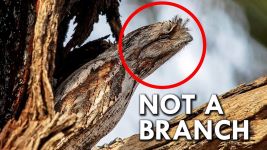
FrogmouthBook ID 7636The tawny frogmouth, which survives mostly by not being noticed.
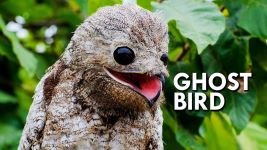
PotooBook ID 7655The potoo, hiding in plain sight on a branch it appears to be part of.
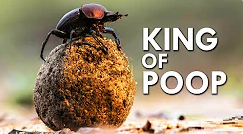
CoprophagiaBook ID 7678Eating droppings, and why it is one of the smartest strategies going.
Teaching this set
Read 4 and 5 back to back or not at all.Animals in Camouflage and Animals Black and White are the same riddle format by the same author, and the pairing is the teaching: identical question, and the reason changes every time. Split them across two weeks and the effect is gone.
This set carries five Animalogic videos in the extras. They are short, they have no reading level, and they work as the opener or the closer of a session rather than as the text of one.