Ideas, words, genres, revision, and pictures turn a thought into something a reader can enter.
6 core booksGrades 1-4Catalogue reviewed
You are the teacher.
Use what works. Change what doesn’t. Make it yours.
Teaching purpose
Students compare several ways a story comes into being: beginning with an idea, thinking about the reader, writing for a purpose, testing genre, making deliberate language choices, and combining words with pictures. The sequence treats authorship as a series of choices rather than a single act of writing.
Recommended grade band: Grades 1-4
The Big Question
How does an idea become a story a reader can follow?
Source and confidence boundary
Core title IDs, authors, formats, and reading levels shown here were rechecked against the updated Book_List.xlsx. Descriptive framing was tightened during this audit; where the catalogue does not provide a reading level, none is invented.
Standards status
This curated reading sequence is not itself a region-specific standards claim. Review the documentary status on any linked lesson plan.
Ask students to name the different jobs an author may do before a book is finished: imagine, choose, write, draw, organize, reread, change, and think about the reader.
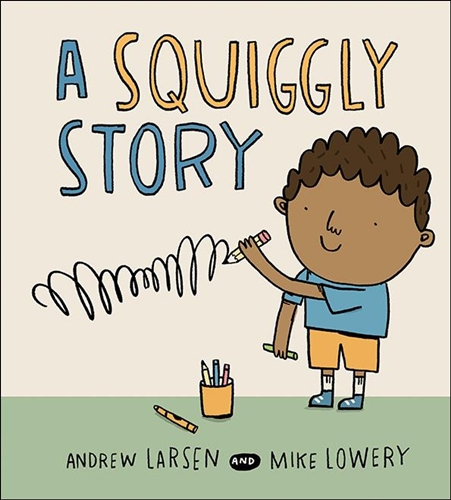
Why it belongs: A child discovers that a story can begin before conventional spelling is fully in place: marks, ideas, talk, and imagination can all carry meaning.
Unique contribution: It makes authorship accessible at the starting line - the idea comes before perfect writing.
AskWhat has to exist before the words are perfect?
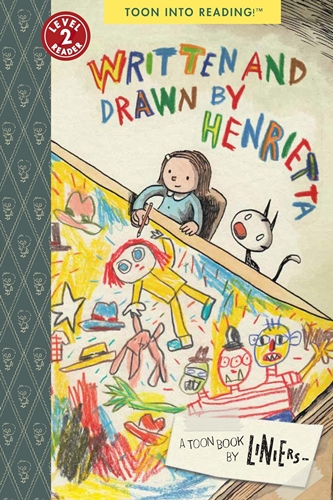
Why it belongs: Henrietta creates a comic by inventing, drawing, narrating, reacting to, and revising the story as it grows.
Unique contribution: It closes the sequence with authorship made visible on the page: words and pictures develop together.
AskWhat can a picture do that the words do not have to do?
Optional extensions
Ook the BookBook ID 4777Lissa Rovetch · Catalogue reviewedWhy optional: A playful print-and-sound extension for younger readers.
The Book Bandit (Graphic Novel)Book ID 6757Melinda Thielbar · Catalogue reviewedWhy optional: A genre extension in which a library mystery gives another reason to ask how authors shape a problem for readers.
Selection note: The core sequence is limited to six titles so each book has a distinct instructional job. Optional titles should extend the question rather than merely add more books on the same topic.
After each title, ask what changed because an author made one particular choice.
Distinguish making a story from merely producing neat handwriting or correct spelling.
Compare the jobs of writer, illustrator, character, and reader when a book blurs those roles.
Invite students to revise one small choice - title, point of view, genre, word, or image - and explain the effect.
Book-to-book connections
A Squiggly Story + How to Read a Story: Compare the beginning of authorship with the needs of the eventual reader.
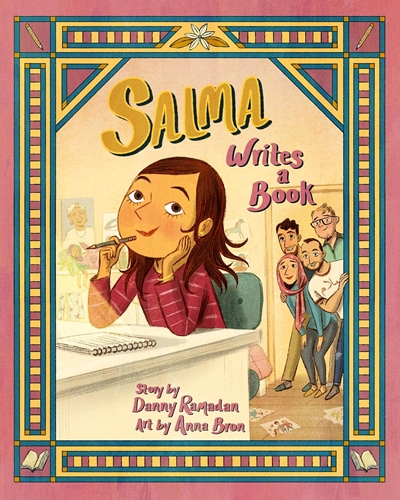
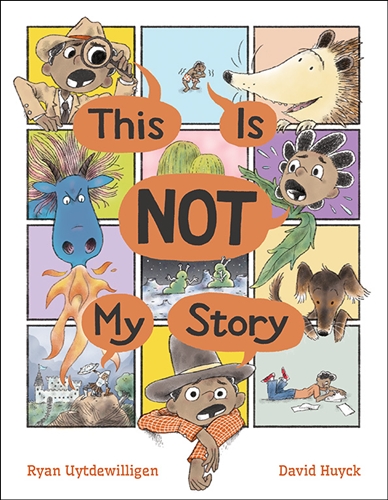
Salma Writes a Book + This is Not My Story: Compare writing for a real purpose with resisting a story form that does not fit.
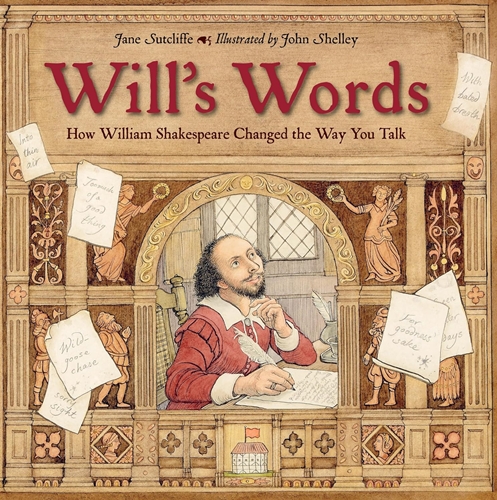
Will's Words + Written and Drawn by Henrietta: Compare language invention with visual invention as tools for making meaning.
Culminating discussion
Choose three books and explain three different decisions an author can make that change what the reader experiences.
Teacher look-fors
Names a specific author choice rather than saying only that a book is creative.
Explains how a choice affects a reader.
Distinguishes genre, language, and visual choices.
Recognizes revision or rethinking as part of making a story.
Existing-set duplication check
Closest existing Text Set: Patterns and Repetition in Stories
What overlaps: Both sets examine deliberate choices that shape how a story works.
Why this set is genuinely different: Patterns and Repetition studies one structural device across stories; this set studies the broader process of authorship from idea to finished meaning.