Body parts, colony life, special abilities, pollination, and survival show why small animals deserve close attention.
6 core booksGrades 1-4Catalogue reviewed
You are the teacher.
Use what works. Change what doesn’t. Make it yours.
Teaching purpose
Students move from noticing many insects to studying how particular insect bodies and behaviors work. The sequence deliberately avoids duplicating the core of the existing Life Cycles set: it emphasizes classification, colony behavior, insect traits, human attitudes toward bugs, and ecological importance rather than developmental stages.
Recommended grade band: Grades 1-4
The Big Question
What can an insect's body and behavior tell us about how it lives?
Source and confidence boundary
Core title IDs, authors, formats, and reading levels shown here were rechecked against the updated Book_List.xlsx. Descriptive framing was tightened during this audit; where the catalogue does not provide a reading level, none is invented.
Standards status
This curated reading sequence is not itself a region-specific standards claim. Review the documentary status on any linked lesson plan.
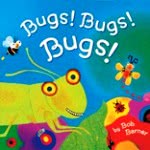
Why it belongs: An accessible introduction brings many familiar bugs into view and gives young readers language for noticing similarities and differences.
Unique contribution: It creates the common observation vocabulary the rest of the set can sharpen.
AskWhich creatures seem alike at first, and what details help you tell them apart?
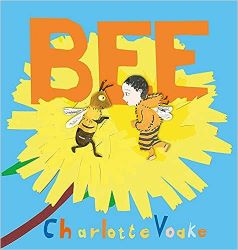
Why it belongs: A curious child follows honeybees into hive life and learns basic details about workers, larvae, the queen, pollen, nectar, and the waggle dance.
Unique contribution: It narrows the set from many bugs to one social insect living and working in a colony.
AskWhat does the bee do that makes more sense once you understand the whole hive?
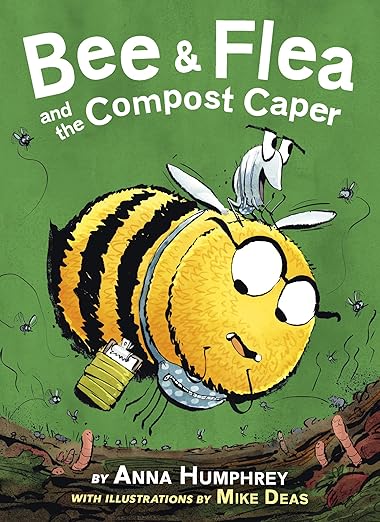
Why it belongs: Bee and Flea investigate a chaotic compost heap and discover that the tiny creatures there are doing essential work in the natural cycle of the garden.
Unique contribution: It links insects to decomposition, soil, plants, pollination, and the wider ecosystem.
AskWhat changes in Bee's thinking when the compost chaos turns out to have an ecological job?
Non FictionReading level 5.3Teacher read-aloudCatalogue reviewed
Why it belongs: Butterflies are placed in deep time alongside dinosaurs, with pollination and flowering plants connecting insects to a much larger ecological story.
Unique contribution: It closes by showing that insects can affect plant life and ecosystems across enormous spans of time.
AskHow can something as small as a butterfly matter in a story as large as the age of dinosaurs?
Optional extensions
Burt the Beetle Doesn't Bite! (Graphic Novel)Book ID 8397Ashley Spires · Catalogue reviewedWhy optional: A strong comic extension for separating real insect abilities from superhero framing; keep it optional because its catalogue grade range reaches above the core band.
We Dig Worms!Book ID 7883Kevin McCloskey · Catalogue reviewedWhy optional: Useful for the important comparison that worms are small invertebrates but are not insects.
Selection note: The core sequence is limited to six titles so each book has a distinct instructional job. Optional titles should extend the question rather than merely add more books on the same topic.
Across-the-set teaching moves
Sort observations into body structure, behavior, colony role, and ecosystem role.
Ask what a feature helps the insect do rather than collecting unusual facts.
Separate accurate insect information from anthropomorphic or comic framing.
Compare solitary and social examples when the text supports it.
Use non-insect extensions to sharpen classification rather than treating every small crawling animal as a bug.
Book-to-book connections
Bugs! Bugs! Bugs! + Bee: Move from broad noticing to sustained observation of one insect.
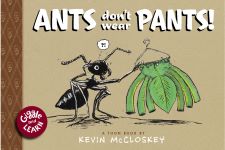
Ants Don't Wear Pants + Bee & Flea and the Compost Caper: Compare colony organization with the wider ecological jobs insects and other small organisms perform.
Don't Squash that Bug + Dinosaurs Roar, Butterflies Soar!: Connect careful observation with ecological importance.
Culminating discussion
Use three books to explain how an insect's body, behavior, or relationship with other living things helps it survive or matter in its environment.
Teacher look-fors
Uses specific insect features or behaviors.
Distinguishes an insect from another small creature when evidence is available.
Connects a feature to a function.
Separates factual information from fictional framing.
Existing-set duplication check
Closest existing Text Set: Life Cycles
What overlaps: Both collections include insects and science observation.
Why this set is genuinely different: Life Cycles studies developmental change over time; this revised set deliberately avoids its core titles and instead studies insect structures, behavior, colony life, and ecosystem roles.