Letters, wordplay, reading choices, library use, access, and community action show what books can do beyond a single story.
6 core booksGrades 1-4Catalogue reviewed
You are the teacher.
Use what works. Change what doesn’t. Make it yours.
Teaching purpose
Students examine books and libraries as tools, places, habits, and community resources. The sequence begins with the language and physical space of a library, moves through playful reading and reading choices, then asks what a library is for and why access to books can matter to a whole community.
Recommended grade band: Grades 1-4
The Big Question
What makes books and libraries useful to a community?
Source and confidence boundary
Core title IDs, authors, formats, and reading levels shown here were rechecked against the updated Book_List.xlsx. Descriptive framing was tightened during this audit; where the catalogue does not provide a reading level, none is invented.
Standards status
This curated reading sequence is not itself a region-specific standards claim. Review the documentary status on any linked lesson plan.
Ask students to name things people do with books besides finish a story: browse, choose, learn, laugh, recommend, borrow, return, share, organize, and act on ideas.
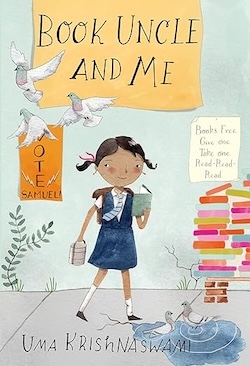
Why it belongs: Nine-year-old Yasmin depends on a free street-corner lending library and helps organize her community when it is threatened.
Unique contribution: It closes by showing book access as something people may value enough to protect through collective action.
AskHow does a place to borrow books become a community issue rather than only Yasmin's personal problem?
Optional extensions
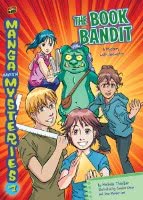
The Book Bandit (Graphic Novel)Book ID 6757Melinda Thielbar · Catalogue reviewedWhy optional: A public-library geometry mystery: useful for showing that a library can also be the setting for problem solving.
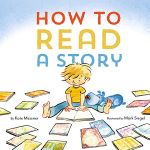
How to Read a StoryBook ID 7759Kate Messner · Catalogue reviewedWhy optional: A natural extension if this set is taught separately from How Stories Get Made.
Selection note: The core sequence is limited to six titles so each book has a distinct instructional job. Optional titles should extend the question rather than merely add more books on the same topic.
Across-the-set teaching moves
Name the job a book or library is doing in each title.
Separate reading skill from reading access: being able to read and being able to get books are different questions.
Track who a library serves in each book.
Compare playful, personal, instructional, and civic reasons for reading.
Ask which benefits require a shared library rather than a privately owned book.
Book-to-book connections
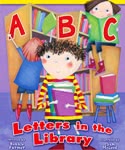
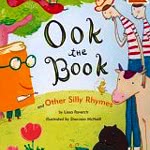
ABC Letters in the Library + Ook the Book: Compare the vocabulary of a reading place with playful attention to print itself.
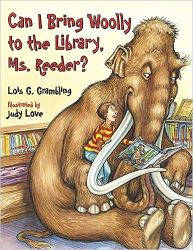
Read Anything Good Lately? + Can I Bring Woolly to the Library, Ms. Reeder?: Compare reading as an everyday habit with a humorous argument about what a library should allow.
Why Libraries Matter + Book Uncle and Me: Compare a direct claim about library value with a story in which access becomes a community cause.
Culminating discussion
Using three books, explain three different reasons a community might care about having access to books and a library.
Teacher look-fors
Names a specific use or benefit rather than saying only that libraries are good.
Distinguishes personal reading preference from public access.
Explains how a library serves more than one kind of user.
Uses evidence from different formats or purposes.
Existing-set duplication check
Closest existing Text Set: How Stories Get Made
What overlaps: Both sets are about books and reading.
Why this set is genuinely different: How Stories Get Made studies author choices in creating a story; this set studies reading habits, book access, library functions, and community value.