Problems, constraints, models, tests, revisions, and systems show how ideas become workable.
6 core booksGrade 373 min across 5 timed titlesCatalogue-metadata reviewed
You are the teacher.
You know your students and what they need today.
Use what works. Change what doesn’t. Make it yours.
Teaching purpose
This Grade 3 sequence compares several routes from problem to working result: architectural planning, communication, computation, accidental discovery, iterative invention, and public infrastructure. Students track the evidence that an idea was tested or adapted rather than treating invention as a single flash of inspiration.
Recommended grade band: Grade 3
The Big Question
How does an idea become something that works?
Source and confidence boundary
This set was built from TumbleBookLibrary catalogue metadata, not full-text review. All 6 core titles are publication-eligible: 5 HIGH and 1 MEDIUM confidence; no LOW-confidence title is included.
Create a design-cycle chart with problem, idea, constraint, test, change, and result. A book does not need to contain every step; the class will combine evidence across books to build the fuller cycle.
Gr 3-5Informational / Non-FictionMetadata confidence MEDIUM
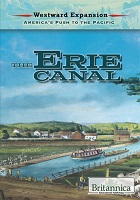
Why it belongs: The Erie Canal joins measurement and engineering in a large system that changes travel and trade.
Unique contribution: It scales the design question from one object to coordinated public infrastructure.
AskWhat must work together for a whole canal system to work?
Optional extensions
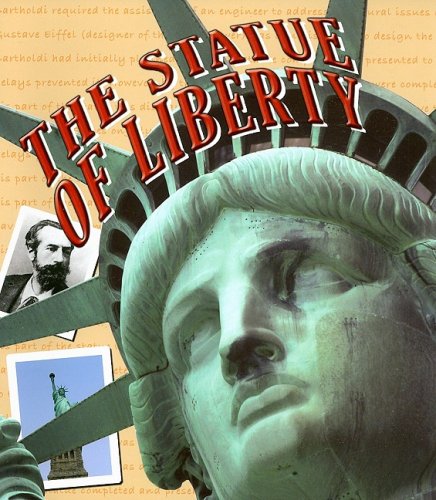
The Statue of LibertyBook ID 7592Holly Karapetkova · Metadata confidence HIGHWhy optional: The Statue of Liberty extends large-scale design and assembly, but the core already ends with public infrastructure.
Tom Swift, Young Inventor Into the AbyssBook ID 5762Victor Appleton · Metadata confidence HIGHWhy optional: A failed shark suit creates a vivid test-and-revise extension for older readers, but its Grade 4-8 range is above the Grade 3 core.
Across-the-set teaching moves
Name the problem before naming the invention.
Collect evidence of constraints: materials, scale, sound, calculation, safety, or public use.
Mark where testing, failure, accident, or feedback changes an idea.
Compare individual work with collaboration and system building.
Ask whether success means the object works, solves the problem, or changes what becomes possible.
Book-to-book connections
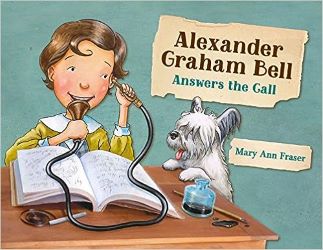
Alexander Graham Bell Answers the Call + Ada Byron Lovelace and the Thinking Machine: Compare designing from close observation with imagining a future use.
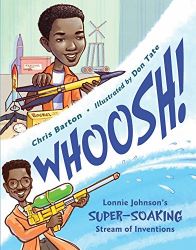
The Day-Glo Brothers + Whoosh! Lonnie Johnson's Super-Soaking Stream of Inventions: Compare an accidental discovery with persistent deliberate iteration.
Pippo the Fool + Erie Canal, The: Compare one landmark structure with a linked infrastructure system.
Culminating discussion
Build an evidence-based design cycle from at least four books. Which steps recur, and which book changes the cycle?
Teacher look-fors
Identifies a supported problem or constraint.
Distinguishes an initial idea from a tested result.
Recognizes collaboration, accident, or revision where metadata supports it.
Synthesizes a design cycle across multiple books.
Existing-set duplication check
Closest existing Text Set: People who changed things
What overlaps: Ada Lovelace and Lonnie Johnson appear in a broader biography-and-change context.
Why this set is genuinely different: The protected set studies how people affect history; this set follows problem, constraint, test, revision, and system design.