You are the teacher.
You know your students and what they need today.
Use what works. Change what doesn’t. Make it yours.
The water cycle is usually taught as a diagram with four arrows, and children can label it without believing it. This set never draws the diagram. It follows single things instead — a dropped can, a leaf, a salmon, an otter — and lets the class discover that water is what connects them.
Where does it actually go after it leaves you?
This curated reading sequence is not itself a region-specific standards claim. Review the documentary status on any linked lesson plan.
The sequence
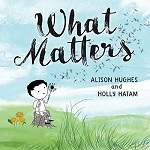
What Matters
Book ID 7378A boy puts one can in a recycling bin, and the book follows the consequence outward — ants, snails, worms, birds, then streams, rivers, tide pools, the ocean. The ripple structure is the argument, and it is short enough to read again at the end of the unit.
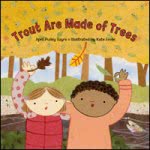
Trout Are Made of Trees
Book ID 4953A leaf falls in, and a whole food web turns it into a trout. It also names what a stream needs to stay a stream: shade, fallen branches, clean water. The first book here where water is a habitat rather than a substance.
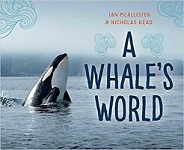
A Whale's World
Book ID 7366Orcas, salmon, bears and wolves in the Great Bear Sea, connected by one food web that runs from open water into the rainforest. The scale jumps from a stream to a coastline without changing the argument.
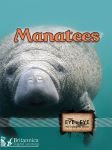
Manatees
Book ID 7530Manatees mistaken for mermaids, and the reason they must have warm water to survive. This is the set's first hard conservation turn: the threat is not a predator, it is where the water is and what temperature it is.
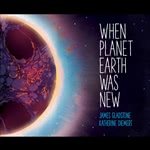
When Planet Earth Was New
Book ID 7106Earth from boiling and barren to oceans, oxygen and life, with humans placed at the very end of the span. Three minutes, and it resets the timescale the class has been working in from a season to billions of years.
Also in the collection
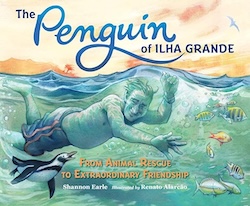
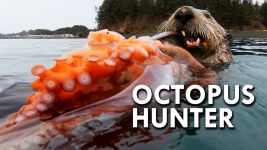
Animalogic — 14 short videos
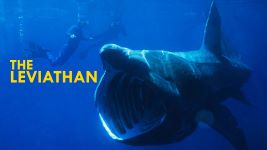
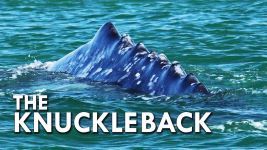

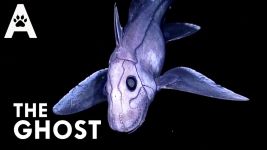
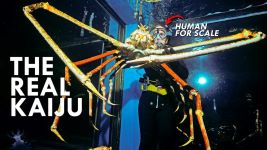
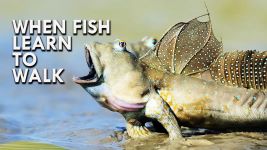
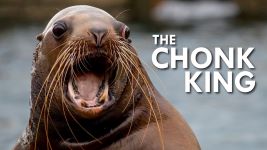
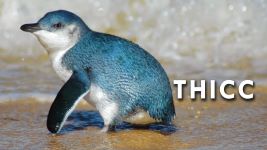
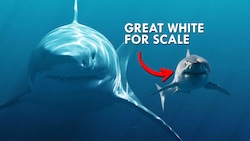
Open and close on the same book. What Matters is two minutes long. Read it on day one, when the ripple is a surprise, and again on the last day, when the class can name every animal and every body of water it passes through. The book does not change; what the class hears in it does.
This is the set with the widest span in the library — a dropped can to the formation of the oceans. Keep the order. The scale only works because each book steps out from the one before it.