You are the teacher.
You know your students and what they need today.
Use what works. Change what doesn’t. Make it yours.
Young children experience seasons as clothing and weather as mood. This set moves from a child's year, to what animals do about the cold, to the crystal structure of a single snowflake — and ends with a story where the snow is the miracle rather than the science.
What changed — and what only looks like it changed?
This curated reading sequence is not itself a region-specific standards claim. Review the documentary status on any linked lesson plan.
The sequence
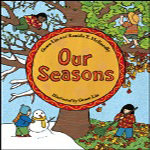
Our Seasons
Book ID 6482Four children through four seasons, each scene a haiku paired with a plain science answer: why leaves change colour, why breath shows in cold air, why skin tans. It gives the class the year as a shape before any one season is examined.

A Flock of Shoes
Book ID 6521Abby's sandals fly south for the winter and her boots take over, then the boots leave in spring and the sandals return — to feet that have grown. A fantasy sitting deliberately beside the science, and the migration joke only lands if a class knows what migrates.
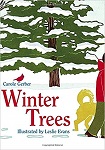
Winter Trees
Book ID 7416A winter walk, identifying trees by shape, bark, buds and needles when the leaves are gone. The season stops being weather and becomes evidence — this is the observation lesson of the set.
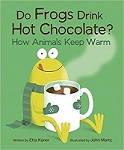
Do Frogs Drink Hot Chocolate? How Animals Keep Warm
Book ID 7358Playful questions — do frogs drink hot chocolate? — answered with huddling, burrowing, blubber, thick fur and shivering. The joke format keeps a real adaptation lesson moving at K–2 pace.

The Story of Snow
Book ID 4722How a snow crystal forms around a speck of dust, and why the shapes differ — stars, plates, columns. It also tells a class how to catch and look at real crystals, which turns the set into something to do outdoors.
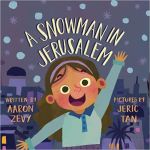
A Snowman in Jerusalem
Book ID 7849Panina waits for snow in Beit Shemesh after hearing her father's Canadian childhood, and the night it finally comes to Jerusalem the whole family drives up for it. After five books explaining snow, one where snow is a miracle. This title has a full lesson plan.
Also in the collection
The last book is the point of the order. Five books explain snow — the crystal, the dust speck, the animals sleeping under it. Then A Snowman in Jerusalem arrives and none of that explaining reduces it. Ending on the story rather than the science is what makes this a set instead of a unit.
A Snowman in Jerusalem is the one title here with a full twenty-module lesson plan behind it, so this set can close into a fortnight of directed work if the term allows.