The Word file and the PDF carry the whole guide. The student pages are the two checkpoints and the culminating task, one to a sheet.
About this unit
Grade 3 fraction work fails in two places. Children accept any piece as a third if there are three of them, and they compare fractions by the bottom number as though it were a size. This unit attacks both with paper the children cut themselves: pieces that stack decide whether a name may be used, and a piece from a six-cut circle laid on a piece from an eight-cut circle decides which is larger.
The unit then does something a Grade 3 fraction unit usually leaves out. It makes a fraction an amount you can repeat, by iterating a half-pound to five pounds, and it ends on the question that catches everybody: one eighth of what?
The mathematical arc
Each lesson does one job the lesson before it made possible.
Cut into equal parts and name one; catch the cut that cannot take the name
Same top number, different bottoms: more parts means smaller parts
Two eighths and one fourth: the same wedge under two names
Four fourths is one whole; take one away and count the rest
A half is an amount you can repeat
Dozen, half and pound: three words that each fix a number
One eighth of what? The whole has to be named
Source books
Every lesson in this unit is already published under Math lessons. Nothing here asks you to teach anything you cannot open today.
Each day names one lesson that already exists under Math lessons, with its book, its number and its title. This guide says what that lesson is doing in the sequence and what to collect from it; the lesson itself carries the steps, the printables and the answers.
Thirty minutes a day.
Five minutes to connect to yesterday, the twenty-minute source lesson, five minutes to close on something you can see. A day that runs long should lose the close, never the core.
Teach a lesson on its own if you need to.
Every day carries a one-sentence opening for a teacher who is using that lesson outside the sequence.
Stop after a checkpoint.
The unit holds together if you stop after either checkpoint and come back to it. Stopping between a checkpoint and the next one leaves a lesson without the evidence it was built on.
Where this fits in your year
When to teach it
Any term once the class can partition shapes and count reliably. It needs scissors and paper circles, and it is worth a full fortnight.
What students need first
Children can fold and cut accurately, can count to twenty, and have met halves and fourths informally.
What this unit develops
Partitioning into equal parts and naming a part; comparing unit fractions of one whole; equivalence by covering; the whole written as n over n; subtracting a unit fraction from one whole; a fraction as a repeatable measured amount; naming the referent whole.
What it prepares them for
Adding and subtracting like fractions and the three equivalent forms in Grade 4.
Curriculum connections
None claimed. The lessons in this unit carry their own standards classifications on their own pages, checked lesson by lesson. A unit-level expectation is a different claim, and none has been verified for this unit, so none is printed here. Use the placement guide above to site the unit in your year, and the individual lesson pages for the codes.
Unit at a glance
#
Mathematical move
Source lesson
Collect
1
Cut into so many equal parts and name one, and catch the cut that cannot take the name
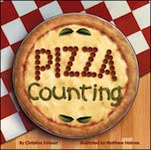
Pizza Counting lesson 2, Cut Into Six, Divided Into Sixths
A cut circle with the finished naming sentence written beside it, the two blanks filled with different words.
2
Same top number, different bottoms: more parts means smaller parts
Pizza Counting lesson 1, The Slice That Looks Smaller Because There Are More of Them
Four cut pieces lined up from largest to smallest with their bottom numbers read aloud in that order.
3
Two eighths and one fourth: the same wedge under two names, proved by covering Checkpoint after this lesson
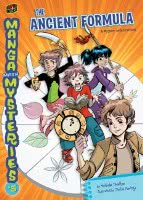
Manga Math Mysteries #5: The Ancient Formula lesson 2, Two eighths, one fourth: the same wedge under two names
A record strip carrying the written equivalence with the covered shape drawn round it.
4
Four fourths is one whole; take one fourth away and count the rest
Manga Math Mysteries #5: The Ancient Formula lesson 1, Four fourths make a cup: finding the rest of the mix
A recipe card carrying the whole in both forms and the subtraction written in numbers.
5
A half is an amount you can repeat: ten halves make five pounds
Alice In Pastaland lesson 1, Ten Dozen Shells: Counting by Halves to Five Pounds
A strip of paired bags with the pounds counted and set against the fisherman's printed answer.
6
Dozen, half and pound: three words that each fix a number Checkpoint after this lesson
Alice In Pastaland lesson 4, Dozen, Half and Enough: The Words That Weigh the Shells
Two balance arrangements standing side by side with both totals said aloud.
7
One eighth of what? The whole has to be named
Manga Math Mysteries #5: The Ancient Formula lesson 5, One eighth of what? Sharing four cups, one cup and eight cups
A record row carrying the three sharings in order, each with what was shared and among how many.
Unit vocabulary
Words students say, not words they are taught to define.
equal parts
The condition that has to be true before the naming word may be used.
thirds, fourths, eighths
Names for one part, taken from the number of equal parts.
the same as
Used in lesson 3, when one shape covers another exactly.
of
Lesson 7: the word that names what the fraction is a fraction of.
Materials
From the source lessons
Each day's materials are listed on that day's page below and on the source lesson itself. Nothing is duplicated here.
New for this unit
Checkpoint 1 page, one per child
Checkpoint 2 page, one per child
Performance task set: four identical paper circles per child, scissors, a one-cup measure and eight small pots per group
Performance task page, one per child
Assessment plan
Daily evidence
Keep the stacked pieces from lesson 1, the covered shapes from lesson 3, and the three sharings from lesson 7.
Checkpoint 1, after lesson 3: May it be called thirds?
Two circles, each cut into three pieces; one set matches and one does not. The child sorts them and says which may be called thirds and why.
Book-free. Plain paper circles cut in advance.
Look for. A reason about the pieces matching, not about there being three of them. Three pieces is the trap this checkpoint exists to catch.
Checkpoint 2, after lesson 6: Which piece is bigger?
One sixth and one eighth cut from equal circles. The child says which is larger and says why, with the pieces stacked.
Book-free. Paper circles the child cuts.
Look for. One sixth, with a reason about the number of parts the whole was cut into. "Because six is smaller" is not yet an answer.
Culminating task: Name it, and say what it is a part of
Each child folds and cuts one circle into equal parts of their own choosing and writes the naming sentence for it, then cuts a second circle into a different number of equal parts, takes one piece from each and stacks them, and writes which is larger and why. In groups, they then share one cup of water equally into eight pots and say what fraction of a cup each holds, and share eight cups into the same eight pots and say what each holds now. Finally each child writes one sentence naming an eighth and what it is an eighth of.
Collect. The two cut circles with their naming sentences, the stacked comparison with its reason, and the closing sentence naming the referent whole.
What it assesses. Equal partitioning, naming, comparing, and naming the whole — the unit's four moves, with nothing beyond eighths.
Daily lesson pages
Lesson 1Cut into so many equal parts and name one, and catch the cut that cannot take the name
Skill lessonPizza Counting · lesson 2, Cut Into Six, Divided Into Sixths · Grade 3 · 20 minutes Partitioning a whole into equal parts and naming the parts from the number of parts
I can
I can name a part from the number of equal parts.
Big idea
Cut into so many equal parts, divided into the name for that many — and the word equal in the middle is what children skip.
Success
The child moves between the cut object, the count of its parts and the name of one part in any direction.
Connect | 5 min
First lesson. Hold up a circle cut into three pieces that do not match and ask whether these are thirds. Take the answers and cut nothing yet.
Taught on its own
Eight times this book says the same sentence with two numbers swapped in, and the word equal sits in the middle of every one.
Source core | 20 min
Pairs hear one of the book's cutting sentences, fold a circle into exactly that many matching parts, cut and stack to check, then fill the two blanks of the book's frame with the count word and the name word and read the finished sentence aloud.
Collect
A cut circle with the finished naming sentence written beside it, the two blanks filled with different words.
Close | 5 min
Each pair is handed a circle already cut into three pieces that do not match, stacks them, decides whether thirds may be used, and writes the word the pieces do deserve.
From the source lesson: Paper circles, six per pair; Scissors; Sentence frame card, one per pair; Pencils; Pre-cut unequal circles, one per pair; Long strip of paper for the class line; Glue stick; Word cards: equal, divided, halves, thirds, fourths
Watch for: A pair trims a piece to make it fit. Refold a fresh circle instead; the trimmed one has stopped being evidence.
Lesson 2Same top number, different bottoms: more parts means smaller parts
Skill lessonPizza Counting · lesson 1, The Slice That Looks Smaller Because There Are More of Them · Grade 3 · 20 minutes Comparing two fractions with the same numerator by reasoning about the size of the parts
I can
I can say which slice is bigger and why.
Big idea
When the top number is the same, more parts means each part is smaller, and the pieces show it before the numbers do.
Success
The child predicts before cutting and then checks against the stack.
Connect | 5 min
Yesterday the name came from the number of parts. Today two names are set against each other and the bigger bottom number is going to be the smaller piece.
Taught on its own
The book ends by asking which of two slices a child would rather have, and every one of its four pairs has the same number on top.
Source core | 20 min
Pairs fold two circles of the same size into three parts and into four, cut and stack one piece from each with their points meeting, and say which hangs out past the other; then predict for sixths against eighths before cutting.
Collect
Four cut pieces lined up from largest to smallest with their bottom numbers read aloud in that order.
Close | 5 min
Each pair states in one sentence what happens to the size of a slice when a pizza of the same size is cut into more slices, and two pairs settle any disagreement by restacking.
From the source lesson: Paper circles, two of the same size per pair; Scissors; Glue stick; Recording sheet ruled into four rows; Pencils; Word cards: thirds, fourths, sixths, eighths, equal
Watch for: Circles of different sizes compared. Both circles must start the same size or the stack proves nothing.
Lesson 3Two eighths and one fourth: the same wedge under two names, proved by covering
Skill lessonManga Math Mysteries #5: The Ancient Formula · lesson 2, Two eighths, one fourth: the same wedge under two names · Grade 3 · 20 minutes Recognising equivalent fractions with a folded circle model
I can
I can show two names for the same amount.
Big idea
An equals sign between two fractions is earned by paper lying flat on paper.
Success
The child can point at the covering that makes their written equation true.
Connect | 5 min
You can say which of two pieces is bigger. Today two different names turn out to describe exactly the same piece.
Taught on its own
The book states three equivalences and proves none of them.
Source core | 20 min
Each student folds a disk in half three times and cuts eight equal wedges, checking them by stacking, then lays two eighth wedges over one fourth wedge so no paper shows at any edge.
Collect
A record strip carrying the written equivalence with the covered shape drawn round it.
Close | 5 min
Pairs put six wedges together, write how much of the disk they make in eighths, then group them into pairs against the fourth template and write the same amount a second way on the same line.
From the source lesson: A paper disk per student; Scissors; A pencil; Four disciple cards per student; A fourth-circle template; A fourth wedge per student; A record strip; Word cards: eighth, equal parts, the same as
Watch for: Wedges that do not match, so the covering is approximate. Fold a fresh disk rather than accepting a near miss.
Checkpoint after this lesson: May it be called thirds?. The page is at the end of this guide.
Lesson 4Four fourths is one whole; take one fourth away and count the rest
Skill lessonManga Math Mysteries #5: The Ancient Formula · lesson 1, Four fourths make a cup: finding the rest of the mix · Grade 3 · 20 minutes Subtracting a unit fraction from one whole with like denominators
I can
I can take a fourth away from a whole.
Big idea
Four fourths and one whole are the same amount, which is what gives the subtraction something to take from.
Success
The child writes the subtraction using the numbers and can point at the fourth that was set aside.
Connect | 5 min
Yesterday two names covered one amount. Today the whole itself gets a second name so that a piece can be taken off it.
Taught on its own
The book gives a recipe that names one part and hides the other: a whole cup of mix, one fourth of it blue, and the red left only as the rest.
Source core | 20 min
Pairs pour four one-fourth measures into one cup to fill it exactly, say the count as fourths and write both names for the full cup, then set one fourth aside as the blue and count what is left.
Collect
A recipe card carrying the whole in both forms and the subtraction written in numbers.
Close | 5 min
Pairs measure the red three times into the pitcher saying the running total, check it against a three-fourths measure, then copy the finished recipe and trade cards with another pair to make it without speaking.
From the source lesson: Four one-fourth cup measures per pair; A one-cup measure per pair; Dry rice; A recipe card per pair; A blue label card; A red label card; A small pitcher per pair; A three-fourths cup measure for checking; A blank recipe card per student; A pencil; Word cards: fourth, whole, the rest
Watch for: A child writes the subtraction before the cup is filled. The four fourths have to be poured; that is what makes the whole a countable amount.
Lesson 5A half is an amount you can repeat: ten halves make five pounds
Skill lessonAlice In Pastaland · lesson 1, Ten Dozen Shells: Counting by Halves to Five Pounds · Grade 3 · 20 minutes Iterating a half-pound unit to a whole number of pounds
I can
I can repeat a half until it makes whole pounds.
Big idea
A half is a quantity of weight that can be repeated, not only a piece of a cut-up shape.
Success
The child pairs the bags into pounds and counts the pounds rather than multiplying.
Connect | 5 min
So far a fraction has been a piece of paper. Today it is a weight, and it is going to be laid down ten times.
Taught on its own
The fisherman gives the book's one clean unit-fraction fact, that a dozen shells weighs one half pound, and then states the ten-dozen total himself.
Source core | 20 min
Pairs balance one bag of twelve shells against half-ounce weights and read the weight, then lay out ten bags, touch each saying one half, and slide every two together calling that pair one pound.
Collect
A strip of paired bags with the pounds counted and set against the fisherman's printed answer.
Close | 5 min
Each pair tells a partner what one dozen weighs and what ten dozen weigh in one sentence, then changes the fisherman's sentence so a dozen weighs a whole pound and says what ten dozen would weigh then.
From the source lesson: A balance scale for each pair; Bags of twelve pasta shells, one per pair; Half-ounce and ounce weights; Ten bags of twelve pasta shells; A long strip of paper for the row; Word cards: dozen, half, pound
Watch for: A pair multiplies ten by one half. Count the pairs of bags; the pairing is the arithmetic here.
Lesson 6Dozen, half and pound: three words that each fix a number
Math through the readingAlice In Pastaland · lesson 4, Dozen, Half and Enough: The Words That Weigh the Shells · Grade 3 · 20 minutes Students weigh a dozen shells, then swap one word at a time in the fisherman's sentences and rebuild the weight each swap demands.
I can
I can hear which words fix the weight.
Big idea
Three words in one sentence each fix a number, and not one of them is a numeral.
Success
Both balance arrangements stand side by side and the child names the word that moved between them.
Connect | 5 min
Yesterday you built the half-pound and repeated it. Today one word in the sentence changes and the whole row has to be rebuilt.
Taught on its own
A dozen weighs one half pound holds three words that each fix a number, and Alice's enough is a fourth that is a verdict rather than a quantity.
Source core | 20 min
Pairs weigh a dozen and say the fisherman's sentence over their own balance, lay ten bags in a row and pair them into pounds, then replace half with whole and rebuild the row under the new word.
Collect
Two balance arrangements standing side by side with both totals said aloud.
Close | 5 min
Pairs say what enough means for the rabbit, using the pounds on their row, and decide aloud whether five pounds meets what he said he needed.
From the source lesson: A balance scale; Bags of twelve pasta shells; Half-ounce and ounce weights; The fisherman's two sentences written large; A word card for half and one for whole
Watch for: A child changes the number of bags as well as the word. Only the word changes; the row is the same ten bags.
Checkpoint after this lesson: Which piece is bigger?. The page is at the end of this guide.
Lesson 7One eighth of what? The whole has to be named
Skill lessonManga Math Mysteries #5: The Ancient Formula · lesson 5, One eighth of what? Sharing four cups, one cup and eight cups · Grade 3 · 20 minutes Dividing a quantity into equal shares and naming the share as a fraction of the whole
I can
I can say what the fraction is a fraction of.
Big idea
One eighth is always one eighth of something, and until the something is named the words have not said an amount.
Success
The child completes the sentence one eighth of ___ is ___ for all three sharings, or says why it does not fit.
Connect | 5 min
Every fraction so far has had one whole behind it. Today the whole changes three times and the words do not.
Taught on its own
The book uses the same wedge to mean an eighth of a cup on one page and a whole cup on another, and says so plainly.
Source core | 20 min
Groups share four cups among four people and write the division; share one cup among eight pots and write what fraction of a cup each holds; then share eight cups among the same eight pots and write what each holds now.
Collect
A record row carrying the three sharings in order, each with what was shared and among how many.
Close | 5 min
For each of the three sharings, students write the sentence one eighth of ___ is ___ or say why it does not fit, then explain to another group why a wedge meant a fraction of a cup in one sharing and a whole cup in another.
From the source lesson: A pitcher of four cups of water per group; Four labelled cups per group; A tray; Eight small pots per group; A one-cup measure; A record row per group; A sentence frame card per group; Word cards: divide, equal share, one eighth of
Watch for: A child answers one eighth without naming the whole. Ask, every time, one eighth of what.
Culminating performance task
Name it, and say what it is a part of
Each child folds and cuts one circle into equal parts of their own choosing and writes the naming sentence for it, then cuts a second circle into a different number of equal parts, takes one piece from each and stacks them, and writes which is larger and why. In groups, they then share one cup of water equally into eight pots and say what fraction of a cup each holds, and share eight cups into the same eight pots and say what each holds now. Finally each child writes one sentence naming an eighth and what it is an eighth of.
Collect. The two cut circles with their naming sentences, the stacked comparison with its reason, and the closing sentence naming the referent whole.
What it assesses. Equal partitioning, naming, comparing, and naming the whole — the unit's four moves, with nothing beyond eighths.
Teacher key and rubric
Key
Checkpoint 1: only the matching set may be called thirds.
Checkpoint 2: one sixth is larger, because the whole was cut into fewer parts.
Task: one eighth of one cup is a small amount in a pot; one eighth of eight cups is one whole cup. The last sentence must name what the eighth is an eighth of.
Rubric
Strand
Secure looks like
Developing
Not yet
Representation
The parts stack with nothing sticking out before any name is written.
Does it with the arrangement in front of them.
Produces an answer without the arrangement or the reason.
Calculation
The comparison is settled by superposition and the sharing lands with every pot equal.
Does it with the arrangement in front of them.
Produces an answer without the arrangement or the reason.
Meaning
The naming word is used only where the parts match.
Does it with the arrangement in front of them.
Produces an answer without the arrangement or the reason.
Explanation
The child names the whole that the fraction is a fraction of.
Does it with the arrangement in front of them.
Produces an answer without the arrangement or the reason.
Print-ready student pages
These three pages print one to a sheet. Everything above them is the teacher guide.
Checkpoint 1 · Grade 3
May it be called thirds?
NameDate
Here are two circles, each cut into three pieces. Stack the pieces of each one. Which circle may be called thirds? Say why.
Checkpoint 2 · Grade 3
Which piece is bigger?
NameDate
Cut one sixth and one eighth from circles that started the same size. Stack them. Which piece is bigger? Say why.
Culminating task · Grade 3
Name it, and say what it is a part of
NameDate
Fold and cut a circle into equal parts and write the naming sentence for it. Cut a second circle into a different number of equal parts. Take one piece from each, stack them, and write which is larger and why. Then, in your group, share one cup of water into eight pots and say what fraction of a cup each pot holds. Share eight cups into the same eight pots and say what each holds now. Last, write one sentence naming an eighth and saying what it is an eighth of.
Teacher planning and handoff
Children who compared by the bottom number in checkpoint 2 need lesson 2 again before any fraction arithmetic.
Lesson 7 is the deepest idea in the unit and the one Grade 4 depends on; do not leave it out if time runs short.
Pizza Counting's word lesson duplicates the last step of lesson 1 and is unused; it makes a good short revisit.