Traditional tales: what happens next?
Jack and the Beanstalk, The Three Bears, Little Red Riding Hood
Plan placeholder — in productionChoose English or Mathematics, then the Cambridge Stage used by your school. Open finished TumbleTA teaching plans or review the clearly labelled plan slots still in production.
The same honest connection model used by the regional catalogues is available when Cambridge Primary is selected. Connections name the instructional skill; exact objective codes appear only in separately validated Cambridge plans.
Stage-by-stage text types, coursebook connections and TumbleTA teaching plans for Cambridge Primary English 0058.
TumbleTA English teaching plans for this Cambridge Stage.
Cambridge-endorsed coursebook connections used by TumbleTA plans at this Stage.
The Itsy Bitsy Spider, Mary Had a Little Lamb, Sing a Song of Sixpence, Old Mother Hubbard, This Old Man
Coursebook link: Hodder Stage 1 includes a traditional rhymes unit and uses Incy Wincy Spider (the British title of The Itsy Bitsy Spider).
Plan ready — open lesson
Several books taught in sequence.
One book, one lesson, with a short version.
Say simple poems from memory, keeping to the rhythm.
Notice rhyme and repeated lines while joining in with familiar stories and poems.
Name the main characters and say what happens to them.
Start to say how a story's place and events are like or unlike real life.
Say what might happen next in a story.
Begin writing for a clear purpose, using the simple features that text type needs.
Rhyme and repeated opening line; say it together
Plan placeholder — in productionQuestion-and-answer pattern; seeing the wind by what it moves
Plan placeholder — in productionA four-line poem to learn by heart
Plan placeholder — in productionRhythm that moves like a swing
Plan placeholder — in productionLinking a poem to learners' own experience
Plan placeholder — in productionRhyming pairs; describing an animal
Plan placeholder — in productionA two-line poem; what makes the speaker happy
Plan placeholder — in productionWho is awake at night; rhyming pairs
Plan placeholder — in productionQuestion-and-answer pattern; heavy and brief things
Plan placeholder — in productionRepeated question pattern; who does what
Plan placeholder — in productionPoetry — poems on a shared theme
Plan placeholder — in productionTumbleTA English teaching plans for this Cambridge Stage.
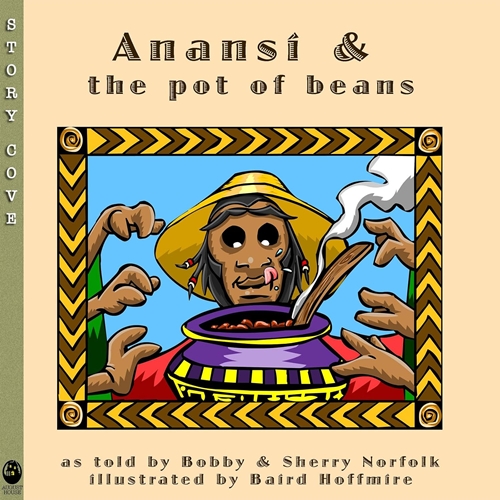
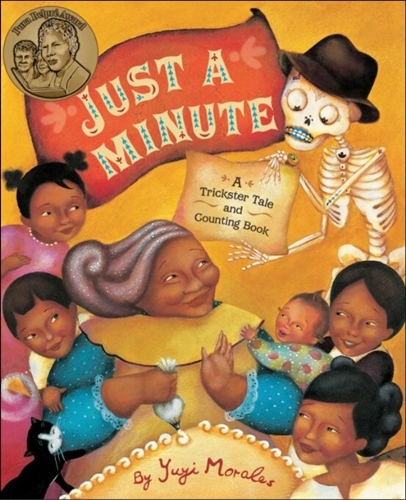
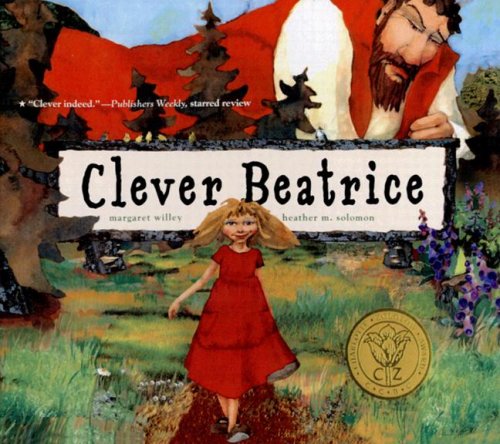
Anansí and the Pot of Beans, Just a Minute: A Trickster Tale and Counting Book, Clever Beatrice
Plan ready — open lesson
Several books taught in sequence.
One book, one lesson, with a short version.
Talk about patterns such as rhyme and repetition in simple stories and poems.
Understand that stories can come from other times and other places.
Describe where a story happens and who is in it.
Pick out the main events and use them to retell a story out loud.
Work out simple things the text does not say, from what characters say and do.
A shadow described as if it were a person
Plan placeholder — in productionRhyming couplets; comparing winter and summer
Plan placeholder — in productionGalloping rhythm and repetition
Plan placeholder — in productionImagining a whole world on a bed
Plan placeholder — in productionNonsense words, refrain and a story in verse
Plan placeholder — in productionInvented creatures and repeated patterns
Plan placeholder — in productionA nonsense story in verse; predicting what happens
Plan placeholder — in productionA short comic poem; what the crocodile is really doing
Plan placeholder — in productionA story told in dialogue; what the spider really wants
Plan placeholder — in productionDescribing words; talking to a creature
Plan placeholder — in productionPoetry — humorous poems
Plan placeholder — in productionTumbleTA English teaching plans for this Cambridge Stage.
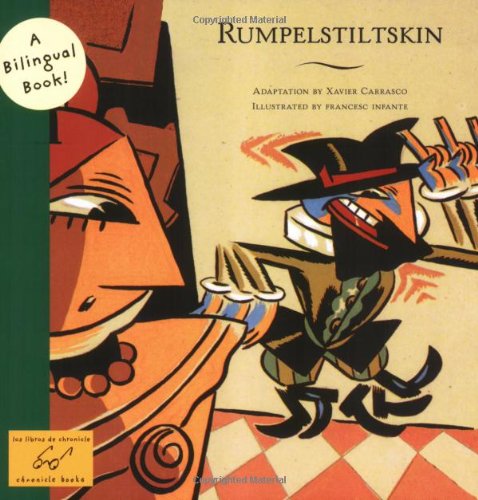
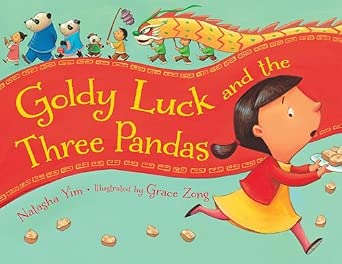
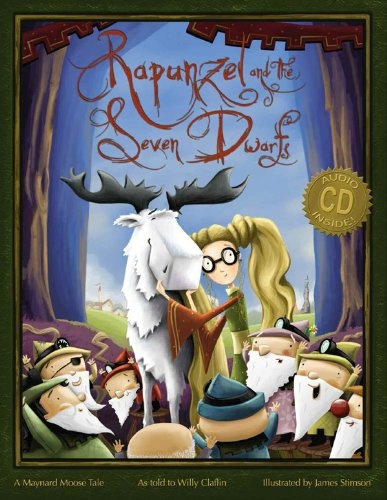
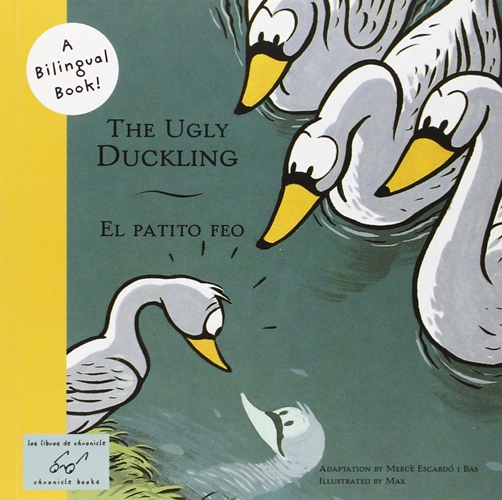
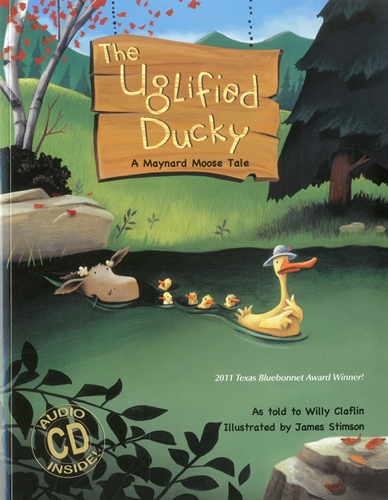
Rumpelstiltskin (Brothers Grimm), Rumpelstiltskin (Xavier Carrasco), The Three Bears, Goldy Luck and the Three Pandas, Rapunzel, Rapunzel and the Seven Dwarfs, The Ugly Duckling, The Uglified Ducky
Plan placeholder — in production
Several books taught in sequence.
One book, one lesson, with a short version.
Work out characters' feelings, thoughts and reasons from the text.
Compare different versions of the same story and how when and where they were told shapes them.
Turn a story into a simple playscript.
Work out characters' feelings, thoughts and reasons from the text.
Identify a text's theme and themes shared by different texts.
Recognise the main structural features of different kinds of texts, including poems and playscripts.
The five-line limerick shape and rhyme scheme
Plan placeholder — in productionA poem printed in the shape of a tail
Plan placeholder — in productionRefrain and a voyage told in verse
Plan placeholder — in productionA poem told as a conversation
Plan placeholder — in productionWorking out invented words from context
Plan placeholder — in productionA child in Bengal sends boats down the stream
Plan placeholder — in productionRhythm of carrying; Indian setting
Plan placeholder — in productionQuestions and answers; gentle sound
Plan placeholder — in productionClose observation of a bird; surprising word choices
Plan placeholder — in productionWhat dreams are like; a short lyric
Plan placeholder — in productionPoetry — poems with different structures; poems from different cultures
Plan placeholder — in productionTumbleTA English teaching plans for this Cambridge Stage.
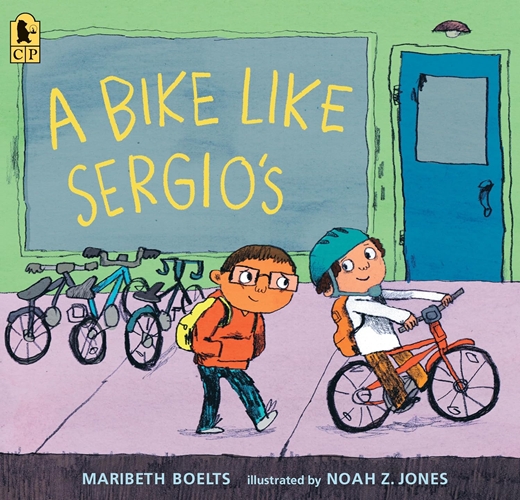
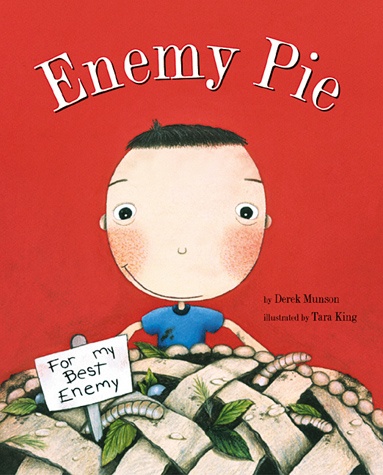
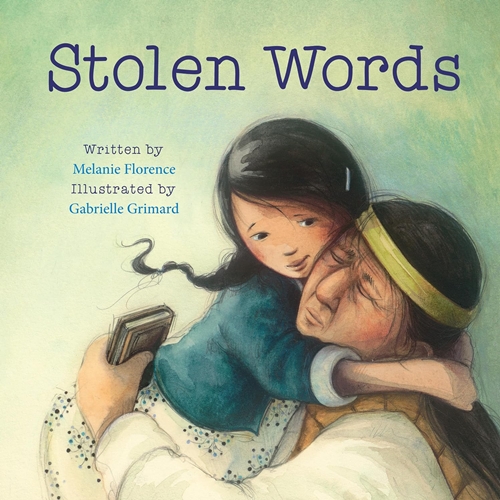
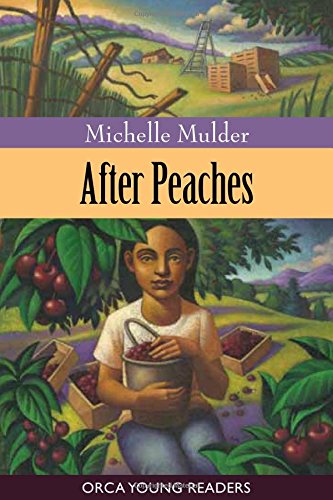
A Bike like Sergio's, Enemy Pie, Stolen Words, After Peaches
Coursebook link: Hodder Stage 4 has a unit of stories with dilemmas: same text type, different titles.
Plan placeholder — in production
Several books taught in sequence.
One book, one lesson, with a short version.
Explain how setting and characters are built up, picking out the words that do it.
Work out unstated things about a story's setting and characters.
Find and compare the themes and features of different texts.
Pick out the words and phrases that carry a text's main points.
Verbs that make water move and roar
Plan placeholder — in productionA six-line picture; simile and alliteration
Plan placeholder — in productionA brook speaks; sound and movement
Plan placeholder — in productionSimile and a remembered scene
Plan placeholder — in productionQuestions, strong rhythm and fiery images
Plan placeholder — in productionA day of play from morning to evening
Plan placeholder — in productionHope pictured as a bird
Plan placeholder — in productionReading as a journey
Plan placeholder — in productionThree verses, three times of life
Plan placeholder — in productionPortrait of a working life in the past
Plan placeholder — in productionPoetry — poems with imagery; poems from different times and cultures
Plan placeholder — in productionTumbleTA English teaching plans for this Cambridge Stage.
Cambridge-endorsed coursebook connections used by TumbleTA plans at this Stage.
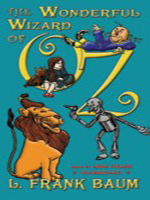
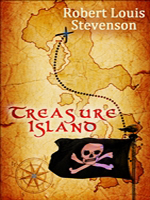
The Jungle Book, Black Beauty, The Wonderful Wizard of Oz, Treasure Island
Coursebook link: Exact match: Cambridge University Press Stage 5 has a unit on The Jungle Book, comparing the book with a playscript.
Plan ready — open lesson
Several books taught in sequence.
One book, one lesson, with a short version.
Make inferences, including about how characters relate to each other.
Comment on how a point of view comes across in fiction and non-fiction.
Comment on a writer's language choices, including how they create feeling and mood.
Recognise the main structural features of different texts, including poems and playscripts.
Compare fiction genres and what typically marks each one.
A lost road and the mood it leaves behind
Plan placeholder — in productionA long story poem; excerpts
Plan placeholder — in productionPace and suspense in a story poem
Plan placeholder — in productionRepetition and rhythm that sound like a charge
Plan placeholder — in productionMood built through sound and repetition
Plan placeholder — in productionExtended metaphor: the ship and its captain
Plan placeholder — in productionA list poem of working voices
Plan placeholder — in productionRhyming couplets and a question about time
Plan placeholder — in productionA cherry tree and counting the years
Plan placeholder — in productionA playful voice and a comparison with a frog
Plan placeholder — in productionPoetry — narrative poetry
Plan placeholder — in productionTumbleTA English teaching plans for this Cambridge Stage.
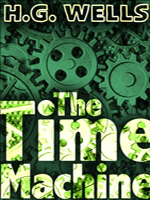
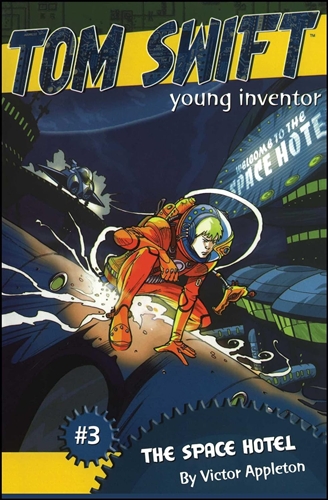
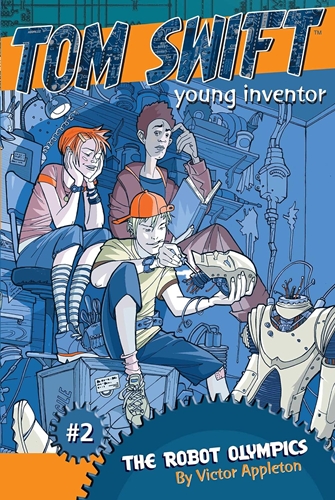
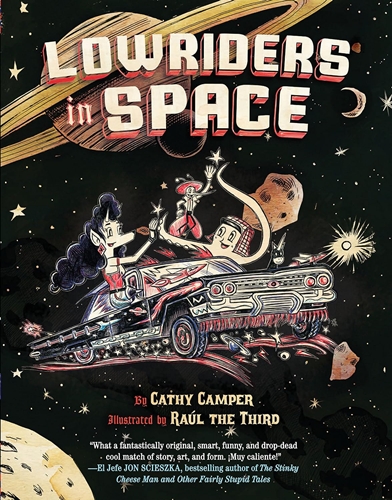
The Time Machine, Tom Swift, Young Inventor: Space Hotel, Tom Swift, Young Inventor: Robot Olympics, Lowriders in Space #1
Plan ready — open lesson
Several books taught in sequence.
One book, one lesson, with a short version.
Work out unfamiliar phrases from context, including old-fashioned ones.
Work out unfamiliar phrases from context, including old-fashioned ones.
Comment on how different viewpoints come across in fiction and non-fiction.
One long sentence built from conditions
Plan placeholder — in productionTheme of endurance; strong imagery
Plan placeholder — in productionSonnet form, irony and a ruined statue
Plan placeholder — in productionA short song; repetition and night sounds
Plan placeholder — in productionGalloping rhythm and similes
Plan placeholder — in productionThe sonnet form; comparison through metaphor
Plan placeholder — in productionAnger grown into a tree: extended metaphor
Plan placeholder — in productionThe caged bird and what it stands for
Plan placeholder — in productionStory, refrain and colour imagery
Plan placeholder — in productionNarrative, archaic language and sound
Plan placeholder — in productionPoetry — poems with a range of features
Plan placeholder — in productionStage-by-stage strands and TumbleTA teaching plans for Cambridge Primary Mathematics 0096. Current mathematics resources cover Stages 1–3.
TumbleTA mathematics teaching plans for this Cambridge Stage.
Grandma's Tiny House, One is a Drummer: A Book of Numbers, Countasaurus, The Right Place for Albert
Plan placeholder — in production
Several books taught in sequence.
One book, one lesson, with a short version.
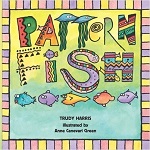
Repeating patterns
2D shapes
Position words
Days of the week
O'clock and half past
Doubles
Pairs that make ten
Zero as none
Ordinal numbers
Counting in twos
TumbleTA mathematics teaching plans for this Cambridge Stage.
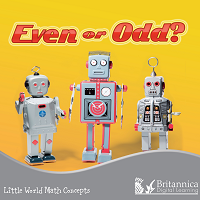
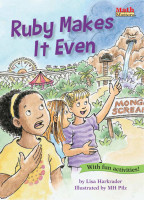
Even or Odd?, Ruby Makes It Even, Ocean Counting: Odd Numbers, Underwater Counting: Even Numbers
Plan ready — open lesson
Several books taught in sequence.
One book, one lesson, with a short version.
Counting to 100
Tens and ones
Zero as a place holder
Making 100 from tens
Subtracting 2-digit numbers
Adding 2-digit numbers
Measuring with non-standard units
Measuring with non-standard units
Describing movement
2D and 3D shapes in nature
TumbleTA mathematics teaching plans for this Cambridge Stage.
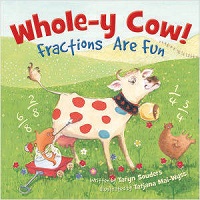
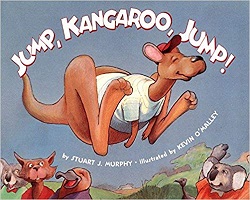
Fraction's Goal -- Parts of a Whole, Whole-y Cow!, Jump, Kangaroo, Jump!, Clean-Sweep Campers
Plan placeholder — in production
Several books taught in sequence.
One book, one lesson, with a short version.
Hundreds, tens and ones
Fractions as parts of a whole
Fractions of a whole
Times tables
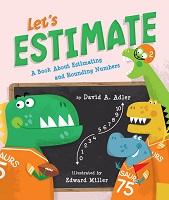
Estimating
Chance
Area