A body can wiggle, bounce, stretch, crawl, spin a diary, rescue a friend, or change a world - and every choice changes the voice.
6 core booksGrades K-3Catalogue reviewed
You are the teacher.
Use what works. Change what doesn’t. Make it yours.
Teaching purpose
Students compare Doreen Cronin's range from rhythmic concept books to first-person animal diaries and more developed narratives. The sequence makes author versatility visible while keeping two recurring strengths in view: energetic voice and a playful way of making nonhuman characters feel immediately readable.
Recommended grade band: Grades K-3
The Big Question
How does Doreen Cronin make a voice feel alive?
Source and confidence boundary
Titles, book IDs, authors, formats, and reading levels were checked against the updated TumbleBookLibrary Book_List.xlsx supplied for this build. Grade-band recommendations are instructional recommendations for the set, not catalogue claims about every individual title.
Standards status
This curated reading sequence is not itself a region-specific standards claim. Review the documentary status on any linked lesson plan.
Before the first book, ask students to listen for what makes a voice energetic: rhythm, repeated words, surprising details, point of view, or action. Keep those possibilities visible.
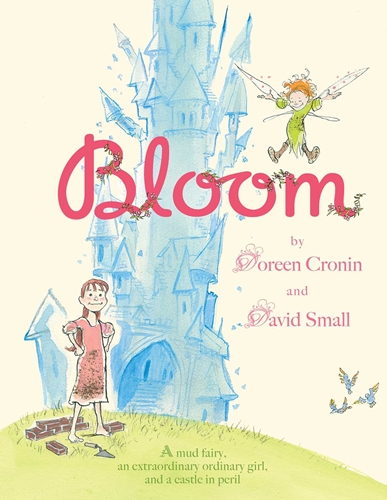
Why it belongs: A more demanding story moves beyond the diary formula into a larger narrative about ability, judgment, and change.
Unique contribution: It shows that an author's energetic characterization can survive outside the familiar series. Teacher read-aloud recommended.
AskWhat do you recognize as 'Doreen Cronin' even though this is not a Diary book?
Optional extensions
StretchBook ID 4134Doreen Cronin · Catalogue reviewedWhy optional: A K-1 extension for comparing movement vocabulary, rhythm, and repeated syntax.
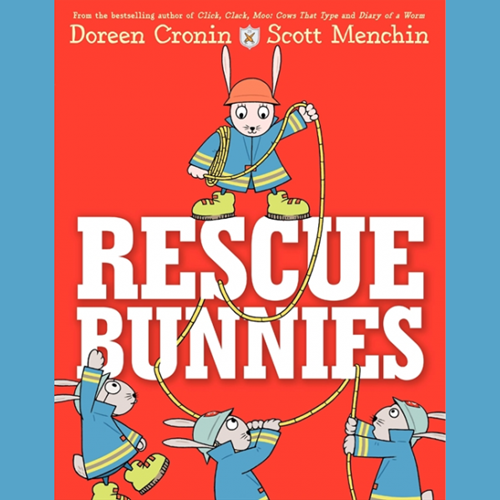
Rescue BunniesBook ID 4148Doreen Cronin · Catalogue reviewedWhy optional: Useful for studying action, teamwork, and how an author gives a group a distinctive comic energy.
Selection note: The core is limited to six titles so every book has a distinct job. The point of an author/series set is not to catalogue everything held; it is to make recurring craft, structure, or instructional design visible.
Across-the-set teaching moves
Read repeated phrases aloud and notice how rhythm shapes meaning.
List details that only this particular narrator could notice.
Across the three Diary books, separate series conventions from character-specific details.
Ask what changes when the author moves from a short rhythmic book to a fuller narrative.
Use performance - pacing, voice, gesture - as evidence for how the language is built.
Book-to-book connections
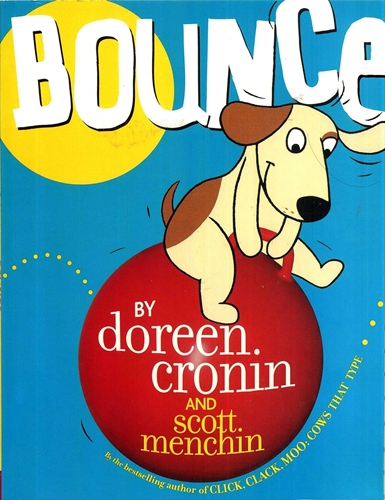
Wiggle + Bounce: Compare two rhythmic structures built around movement.
Diary of a Worm + Diary of a Spider: Compare the same diary convention from different bodies and environments.
Diary of a Fly + Bloom: Compare a familiar series voice with the author's voice outside the series.
Culminating discussion
Choose one movement book, one Diary book, and Bloom. Explain what changes across the three and what still feels like the same author.
Teacher look-fors
Names specific language or structural features.
Separates author voice from narrator point of view.
Compares recurring series conventions accurately.
Recognizes range rather than assuming one author's books must all work the same way.
Existing-set duplication check
Closest existing Text Set: Perspectives and Point of View
What overlaps: Both sets study how perspective changes what readers notice.
Why this set is genuinely different: The existing set compares perspective across many authors; this set shows one author changing rhythm, narrator, and format while maintaining a recognizable comic energy.