You are the teacher.
You know your students and what they need today.
Use what works. Change what doesn’t. Make it yours.
Every book here starts in the same place — a child being got at — and then diverges completely on what happens next. One changes her own head, one turns the insult into the thing he is known for, one answers with words, one refuses the label altogether, and one is not the target at all but decides it is her business. Read together they stop being anti-bullying books and become a set of options.
The teasing is not your fault. So what is actually yours to do?
This curated reading sequence is not itself a region-specific standards claim. Review the documentary status on any linked lesson plan.
The sequence
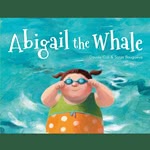
Abigail the Whale
Book ID 7074Abigail is teased at swimming class for being bigger and clumsier, and her teacher teaches her that a thought can change what her body does. Nothing about the other children changes in this book — which is the honest starting point.

Dimples Delight
Book ID 4684Lawrence is mocked for his dimples, tries hiding them by not smiling, and eventually makes them the thing he is known for. Thirty-five minutes as a read-along, and the strategy is the opposite of book 1 — outward, not inward.
What Happens Next
Book ID 7425A child dreading school because of Bully B. learns to pause, breathe, and talk about the things they love — science, the size of the Earth — and both children end up seeing each other differently. The first book here where the other child changes too.
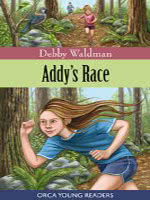
Addy's Race
Book ID 5893Addy wears hearing aids and is exhausted by being pitied and explained. She joins running club, and the book is as much about a complicated friendship as about anyone being unkind. Grades 3–7 and the sharpest thing in the set.
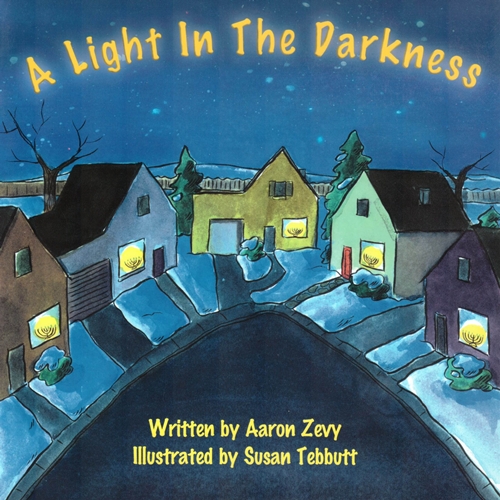
A Light in the Darkness
Book ID 4526A rock goes through Josh's window during Hanukkah and Willie's family fills the street with light. The one book here told by someone who was not the target and decided it was their business anyway. This title has a full lesson plan.
Also in the collection
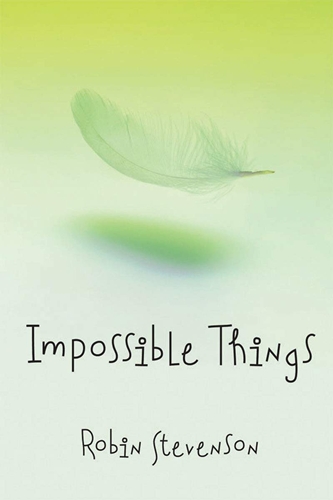
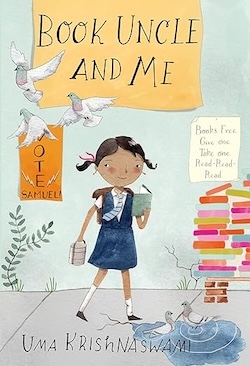
These five are alternatives, not a progression. The child in book 1 never gets an apology; the child in book 3 gets a changed classmate. Both are true and both happen. Reading them as a ladder — as though book 5 is the right answer and book 1 the beginner's version — is the one misreading to head off.
Finish by asking which of the five a child in this room could actually use tomorrow. That question needs all five on the table, which is why the set is worth more than any of its books.